
Please Choose Your Language


close
Choose Your Site
Global
Social Media



| Quantity: | |
|---|---|


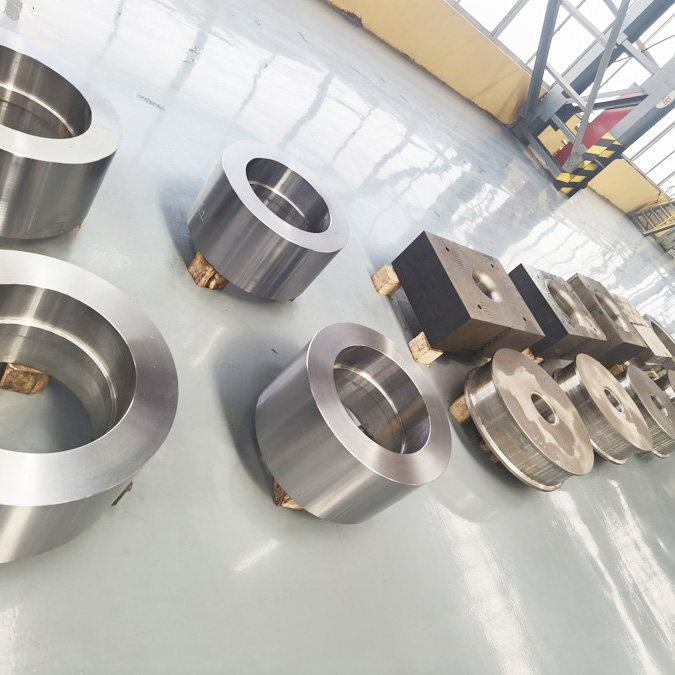
When handling our cold work die steel, the immediate physical impression is one of immense density and unyielding structural integrity. We have rigorously refined the metallurgical formula to deliver a material that excels under the extreme pressures of low-temperature forming, stamping, and cutting applications. This specialized tooling alloy combines intense surface hardness with superior core toughness, directly addressing the physical challenges of abrasive wear, edge chipping, and plastic deformation that plague heavy-duty cold work operations. Unlike standard commercial tool steels that may micro-crack under load, our high-strength die steel maintains its precise geometry even during continuous, high-impact mechanical stress.
Whether your operations involve stamping intricate metal brackets or shearing thick-gauge materials, this steel empowers manufacturers to achieve exact tolerances while drastically extending the intervals between tool sharpening and maintenance. To support rapid tooling preparation, we maintain an extensive inventory of standard supply forms, including round bars, flat stock, square blocks, drill pipes, and hollow tubes across a wide dimensional range. This highly adaptable material solution is engineered to meet the exact physical demands of cold work processes, offering a reliable foundation for tooling that must perform consistently in rigorous production environments.
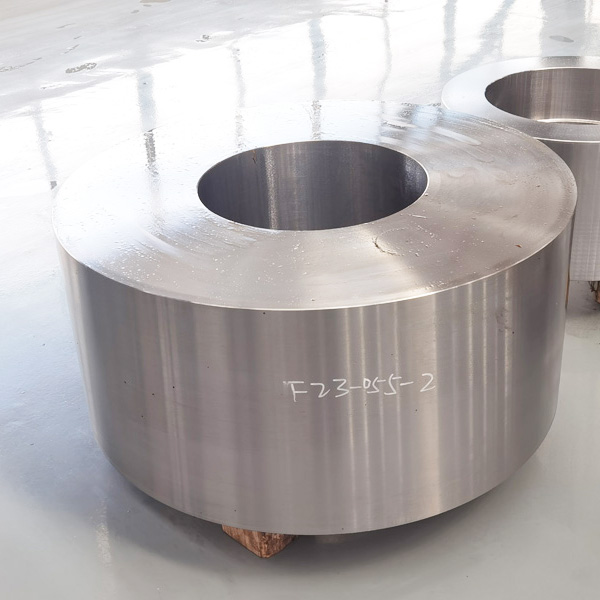
Understanding the exact physical and chemical properties of your tooling material is essential for predicting its behavior under heavy press loads. The specifications outlined below detail the precise metallurgical composition and performance ratings of our die steel. By strictly controlling the carbon and chromium enhancements, we ensure that the material responds predictably to thermal treatments and mechanical shaping.
Toolmakers will find that these parameters translate directly to the shop floor—from the predictable chip formation during initial milling to the exact dimensional retention after final quenching. The uniform hardness profile ensures that even complex, multi-stepped dies wear evenly, preventing localized galling or premature failure in high-friction zones. Please review the exact material data in the table below to confirm compatibility with your specific engineering requirements.
Specification Category | Details |
Material Composition | High-purity alloy with carbon and chromium enhancements |
Heat Treatment Process | Controlled atmosphere heat treatment for uniform hardness |
Design Standard | Cold work tool steel industry standards, precision manufacturing norms |
Machinability Grade | Excellent for intricate shaping and precision cutting |
Hardness Profile | Uniform hardness distribution across the material cross-section |
Corrosion Resistance | Natural resistance to mild corrosive environments |
Toughness Rating | High impact resistance for cold work stress |
Our cold work die steel is specifically engineered to endure the high-frequency, repetitive compressive stress inherent in continuous stamping and cold extrusion processes. By optimizing the alloy matrix, we deliver optimal hardness and wear resistance without sacrificing the crucial toughness needed to absorb mechanical shocks. This specific balance effectively resists the propagation of micro-cracks and edge collapse, making it the definitive choice for blanking and forming operations where maintaining exact tolerances over millions of cycles is essential.
Crafted utilizing advanced powder metallurgy (PM) and electro-slag remelting (ESR) techniques, this material achieves an exceptionally pure internal structure. The refined grain and uniform distribution of fine carbides eliminate the structural weak points that typically lead to premature tool failure. Key durability benefits include:
Friction Resistance: Withstands prolonged abrasive contact in high-volume production without losing its dimensional edge.
Chipping Prevention: The dense metallic matrix absorbs localized impacts, drastically reducing the risk of edge chipping.
Operational Efficiency: Lowers tooling costs by minimizing the frequency of die replacements and maintenance downtime.
Maintaining precise geometry during the transition from soft machining to hardened tooling is critical. Our die steel exhibits an incredibly low deformation rate and responds exceptionally well to vacuum, salt bath, and strict temperature-controlled heat treatments. This dimensional stability guarantees that complex, precision-machined profiles remain true to their original CAD designs after quenching, which is absolutely critical for applications requiring exact part consistency, such as intricate electronic component manufacturing.
In its fully annealed state, the material offers excellent cutting and grinding characteristics. Thanks to a strictly controlled low sulfur content and the fine dispersion of carbides, toolmakers can achieve a flawless, mirror-like polish with standard finishing equipment. This exceptional surface finish capability, combined with a robust core that resists bending and breakage under extreme tonnage, ensures reliable performance in demanding operations that test the absolute physical limits of conventional tool steels.
We provide a comprehensive range of standard stock forms—including round bars, flat sections, square blocks, and hollow tubes—to match your specific machining starting points. Backed by an extensive, ready-to-ship inventory and a highly responsive distribution network, we offer flexible minimum order quantities and extremely short lead times. Whether you require adjusted hardness levels through specific thermal recipes or rapid delivery for urgent die repairs, our supply capabilities ensure your production lines remain active and efficient.
In heavy-duty metal stamping facilities, operators rely on our cold work die steel to create dies for blanking, piercing, and bending sheet metal. The material is particularly suited for fine blanking dies, where the tooling must deliver a crisp, clean shearing action without tearing the metal. Its immense durability ensures clean, burr-free cuts and consistent shapes in high-volume production, supporting strict tolerance requirements in automotive, appliance, and consumer goods manufacturing.
Manufacturers of heavy industrial cutting tools utilize our high-strength die steel for crafting heavy-duty blades, shears, punches, and industrial slitting blades. The material’s deep hardenability and severe wear resistance ensure that cutting edges remain sharp and intact even when slicing through abrasive or high-tensile materials. This long tool life makes it ideal for continuous cutting operations where stopping to replace a dulled blade would cause unacceptable production delays.
Durable die steel is an absolute necessity for cold forging dies and powder metallurgy pressing molds, where metal powders or solid billets are forced into complex shapes at room temperature under massive hydraulic pressure. Our die steel resists the extreme abrasive wear of metal powders and maintains strict die cavity integrity, producing highly accurate forged components such as fasteners, heavy-duty gears, and structural hardware without dimensional drift.
The electronics industry demands microscopic precision. Toolmakers use our precision-machined die steel for the intricate tooling required to stamp and shape tiny, delicate components such as copper connectors, lead frames, and circuit board parts. The material’s exceptional dimensional stability during heat treatment ensures that these miniature tool profiles remain exact, meeting the strict microscopic size requirements essential for modern electronic device assembly.
Medical device manufacturers specify our premium die steel for the tooling used in producing surgical instruments, implant components, and high-wear plastic injection molds for medical housings. The material’s ability to take a flawless mirror polish ensures that molded or stamped medical parts have perfectly smooth surfaces free from micro-defects. This precision meets the strict regulatory standards of the medical sector, ensuring the production of safe, reliable, and perfectly formed medical devices.
Our cold work die steel is specifically formulated for low-temperature manufacturing processes, offering a unique metallurgical balance of high surface hardness, severe wear resistance, and deep core toughness that standard general-purpose die steels lack. Unlike hot work die steels, which are alloyed to resist thermal fatigue, this material is optimized to maintain absolute dimensional stability and resist extreme compressive forces at room temperature. Its exceptional ability to resist micro-chipping, galling, and plastic deformation in cold conditions makes it the superior, reliable choice for heavy-duty stamping, cutting, and cold forging operations.
Yes, we provide highly adaptable die steel solutions that respond predictably to various thermal treatments, allowing for adjustable hardness levels based on your exact tooling application. Through tailored heating and quenching processes—such as vacuum hardening or salt bath treatments—toolmakers can modify the material’s final hardness profile. Whether your application requires maximum surface hardness for aggressive cutting tools or enhanced core toughness to absorb the impact of heavy forging dies, the material can be dialed in to ensure maximum operational performance.
Absolutely. While it excels in high-volume production, our precision-machined die steel is equally perfect for small-batch precision manufacturing and rapid prototyping. Because it offers exceptional machinability in its annealed state and incredibly low distortion during heat treatment, it allows toolmakers to quickly create intricate, complex tool designs without the fear of warping. It produces consistent, highly accurate components even in short-run productions, delivering the exact precision and reliability needed when every single part must meet strict dimensional tolerances.


