


close
Choose Your Site
Global
Social Media
Views: 0 Author: Site Editor Publish Time: 2025-11-14 Origin: Site


Hot work tool steel refers to a group of alloy steels specifically designed to operate at elevated temperatures—typically between 200°C and 700°C—under conditions of high mechanical stress, repeated thermal cycling, and prolonged exposure to molten metals or hot workpieces. Unlike cold work tool steels, which primarily focus on wear resistance and hardness at room temperature, hot work steels must maintain mechanical stability and resist softening, oxidation, and thermal fatigue when subjected to extreme heat.
Industries that rely heavily on hot work steels include die casting, hot forging, aluminum extrusion, steel pipe production, automotive casting, pressure die manufacturing, and heavy machinery component forming.
Hot work tool steels differentiate themselves through:
High hot hardness (ability to retain hardness at temperature)
Exceptional thermal fatigue resistance
Good impact toughness at elevated temperature
High red hardness
Strong dimensional stability under cyclic thermal shock
Good resistance to heat checking
High tempering resistance
These characteristics collectively define the performance life of dies, molds, and tooling systems operating under high heat.
Hot work tool steels fall under the AISI H-series (H10–H19).
Most common:
H10–H13 → Chromium-based hot work steels
H14–H19 → Tungsten / molybdenum hot work steels
AISI H13 is the most widely used worldwide.
European designations focus on chemical composition and heat treatment response.
Typical grades include:
| DIN | Equivalent | Application |
|---|---|---|
| 1.2343 | H11 | High toughness forging dies |
| 1.2344 | H13 | General-purpose, high thermal fatigue resistance |
| 1.2365 | H10 | Hot shear blades |
| 1.2581 | H21 | High-temperature tungsten steel |
DIN 1.2344 (8407) ESR variants are used in automotive die casting.
SKD61 → Equivalent to H13 / 1.2344
SKD62 → Used in high load tooling
Japan’s SKD61 is recognized for high-quality purity when ESR processed.
Chinese-tool-steel system includes:
4Cr5MoSiV1 → H13 equivalent
3Cr2W8V → Tungsten hot work steel
5CrNiMo → High impact forging steels
ASTM A681 is often used to standardize chemical and mechanical properties.
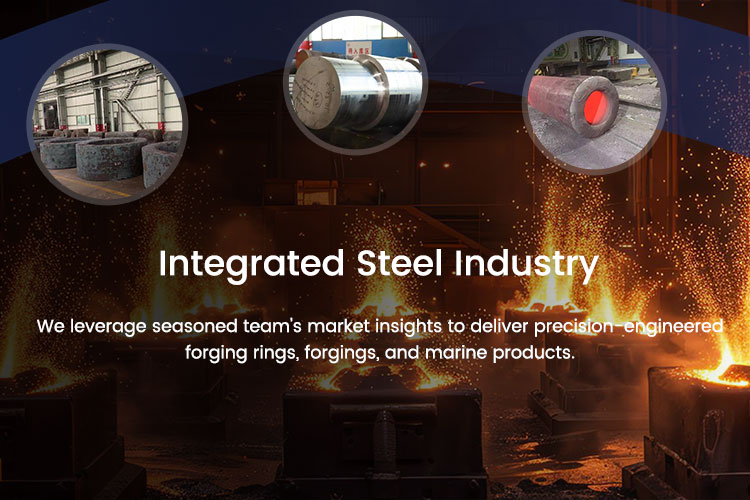
H13 is a chromium-molybdenum-vanadium alloy steel engineered for balanced resistance to heat checking, hot wear, impact toughness, and dimensional stability.
Strengths:
Excellent thermal fatigue resistance
Good hardenability (uniform hardness in large sections)
Well-suited for die casting, extrusion, hot forging
ESR variants provide higher purity and improved die life
Typical H13 Applications:
Die casting inserts, cores, and cavities
Aluminum extrusion dies
Forging dies and punches
Mandrels and sleeves
High-stress hot shear blades
Designed for applications where impact resistance outweighs high-temperature wear resistance.
Advantages:
High toughness and crack resistance
Lower vanadium content, making it easier to machine and polish
Common Uses:
Impact dies
Tooling requiring high shock resistance
Hot punches and press tools
A tungsten-based hot work steel designed for extremely high temperatures.
Unique Features:
Retains hardness above 600°C
Superior hot strength
Used in hot extrusion of steel and superalloys
Chinese tungsten hot work die steel with exceptional high-temperature wear performance.
Used in:
High-speed hot forging
Steel extrusion dies
Heavy-load forging rings and blocks
High-impact steel widely used in forging hammers.
Known for toughness and crack resistance.
Premium-grade H13 with extremely low impurity levels:
Superior cleanliness
Longer die life
Better polishing performance
Ideal for complex die casting molds
| Grade | C | Cr | Mo | V | W | Si | Ni |
|---|---|---|---|---|---|---|---|
| H13 / 1.2344 / SKD61 | 0.32–0.45 | 4.75–5.50 | 1.10–1.75 | 0.80–1.20 | — | 0.80–1.20 | — |
| H11 / 1.2343 | 0.32–0.45 | 4.75–5.50 | 1.10–1.75 | ≤0.40 | — | 0.80–1.20 | — |
| H21 / 1.2581 | 0.25–0.40 | 3.00–3.75 | — | — | 9.00–10.00 | 0.50–1.00 | — |
| 3Cr2W8V | 0.30–0.60 | 2.70–3.50 | — | 0.20–0.50 | 8.00–10.00 | 0.80–1.20 | — |
| 5CrNiMo | 0.40–0.60 | 4.50–5.50 | — | — | — | 0.30–0.80 | 1.00–1.50 |
| Grade | Hardness (HRC) | Hot Hardness | Thermal Conductivity (W/m·K) | Toughness | Wear Resistance |
|---|---|---|---|---|---|
| H13 | 46–52 | Excellent | 28–30 | High | Medium–High |
| H11 | 45–50 | Good | 25–28 | Very High | Medium |
| H21 | 45–55 | Very High | 23–27 | Medium | High |
| 3Cr2W8V | 45–50 | Excellent | 22–25 | Medium | Very High |
| 5CrNiMo | 40–48 | Good | 30–32 | Very High | Medium |
| Application | H13 | H11 | H21 | 3Cr2W8V | 5CrNiMo |
|---|---|---|---|---|---|
| Die Casting (Al/Zn/Mg) | ★★★★★ | ★★★★☆ | ★★☆☆☆ | ★★★★☆ | ★★★☆☆ |
| Aluminum Extrusion Dies | ★★★★★ | ★★★☆☆ | ★★★★☆ | ★★★★★ | ★★☆☆☆ |
| Hot Forging Dies | ★★★★☆ | ★★★★★ | ★★★★☆ | ★★★★★ | ★★★★★ |
| Mandrels & Sleeves | ★★★★★ | ★★★★☆ | ★★★★☆ | ★★★★☆ | ★★★☆☆ |
| Hot Shear Blades | ★★★★☆ | ★★★☆☆ | ★★★★★ | ★★★★☆ | ★★★☆☆ |
Hot work steels must maintain hardness even when exposed to:
Molten aluminum (660°C)
Die casting cycles (500–600°C surface)
Extrusion billet temperatures (400–500°C)
H13 retains 40 HRC at 600°C, outperforming carbon steels drastically.
Thermal fatigue cracking (“heat checking”) is the #1 failure mode in die casting and hot forging tools.
Key influencing factors:
Alloy distribution
Cooling channel design
Surface finish
Tempering temperature
ESR purity
Hot wear includes:
Abrasive wear
Adhesive wear
Molten metal erosion
Oxidation-driven wear
Vanadium carbides (VC) significantly enhance wear resistance in H13.
High toughness prevents catastrophic brittle failure.
ESR materials show improved toughness due to cleaner microstructure.
Higher thermal conductivity → lower thermal gradients → longer die life.
H13 ~ 28 W/mK, but some modified grades reach 30–33 W/mK.
Including production, forging, machining, and QC.
EAF
LF (ladle refining)
VD/VOD
ESR
VAR (for aerospace-grade tooling)
Forging eliminates porosity, refines grains, and enhances toughness.
Typical forged shapes:
Large forged rings
Hollow cylinders (deep-hole drilled or forged hollow)
Rectangular die blocks
Mandrel bars
Hot work steels are difficult to machine because:
High hardness
Carbide formation
High alloy content
Requires carbide tooling and cooling control.
| Grade | Tool Recommendation | Cutting Speed | Notes |
|---|---|---|---|
| H13 | Carbide inserts | 70–120 m/min | Requires coolant |
| H11 | Carbide inserts | 80–130 m/min | Easier to machine |
| H21 | Ceramic / carbide | 40–80 m/min | High hardness |
| 3Cr2W8V | Carbide | 50–90 m/min | Abrasive carbides reduce tool life |
| 5CrNiMo | HSS / Carbide | 90–150 m/min | Good machinability |
QC typically includes:
Ultrasonic testing (UT)
Hardness sampling
Microstructure examination
Inclusion rating
Dimensional inspection
Heat treatment is the most critical process that determines the final microstructure, hardness, thermal fatigue resistance, and service life of hot work tool steels. Proper heat treatment enables the steel to withstand high temperatures, cyclic thermal loads, and mechanical stresses encountered in forging, extrusion, and die-casting applications.
This chapter provides a complete, engineering-grade description of all stages involved in the heat treatment process.
Hot work tool steel heat treatment typically includes the following sequential steps:
Preheating (Multiple Stages)
Austenitizing (Hardening Temperature)
Quenching
Tempering (Usually 2–3 cycles)
Stress Relieving (Optional, but recommended for large dies)
Surface Treatments (Nitriding / PVD Coating, optional)
Each step has a direct impact on:
Hardness
Toughness
Thermal fatigue resistance
Hot wear resistance
Resistance to heat checking and cracking
Improper heat treatment is the #1 cause of premature die failure.
Preheating prevents thermal shock and reduces distortion or cracking during austenitizing.
Hot work steels require two to three heating stages:
| Stage | Temperature (°C) | Purpose |
|---|---|---|
| Preheat 1 | 450–550°C | Remove residual stresses, avoid cracking |
| Preheat 2 | 750–850°C | Uniform heat distribution |
| Preheat 3 (optional for large tools) | 850–900°C | Prepare for rapid transition to austenitizing |
Heat the tool slowly to avoid internal temperature gradients.
Hold at each preheat stage until the core temperature is equalized.
Large dies (>500 mm section thickness) must use 3-stage preheating.
Austenitizing transforms the steel into a hardened structure capable of achieving high temperature strength.
H13 / SKD61 / 1.2344: 1000–1050°C
H11 / 1.2343: 1000–1030°C
3Cr2W8V: 1020–1060°C
H21: 1080–1200°C
Hold until complete temperature equalization:
1 minute per mm of thickness (minimum)
Avoid excessive soaking — leads to grain coarsening.
Vacuum furnace or inert atmosphere preferred
Avoid oxidation / decarburization
| Grade | Preheat 1 | Preheat 2 | Austenitizing | Quench Method |
|---|---|---|---|---|
| H13 | 550–600°C | 850–900°C | 1010–1050°C | Air / Gas / Oil |
| H11 | 550–600°C | 850–900°C | 1000–1030°C | Air / Gas |
| H21 | 600–650°C | 900–950°C | 1150–1200°C | Air |
| 3Cr2W8V | 600–650°C | 900–950°C | 1050–1100°C | Oil / Air |
| 5CrNiMo | 550–600°C | 850–900°C | 880–930°C | Oil |
Quenching transforms austenite into martensite.
Forced air (most recommended for H13, H11)
Nitrogen gas quench (vacuum furnace)
Oil quench (only for certain grades, used with caution)
Avoid quenching directly from >1050°C
Maintain uniform cooling
Large dies require step-cooling to reduce thermal stress
Cooling must avoid the “soft nose” region of the TTT/CCT curve.
Tempering relieves stress and stabilizes martensite to achieve desired hardness and toughness.
Always 2–3 cycles
Large dies: 3 cycles mandatory
520–620°C depending on desired hardness and application
H13: Target hardness 44–52 HRC after tempering
Temper immediately after quench (below 80°C).
Reheat to target tempering temperature.
Hold for 2 hours minimum or 1 hour per 25 mm thickness.
Increases toughness
Reduces brittleness
Stabilizes retained austenite.
| Grade | Recommended Tempering | Final Hardness | Notes |
|---|---|---|---|
| H13 | 2–3 cycles @ 540–620°C | 46–52 HRC | Multiple temper cycles required for stability |
| H11 | 2 cycles @ 550–620°C | 45–50 HRC | High toughness maintained |
| H21 | 2 cycles @ 650–700°C | 45–54 HRC | Suitable for extreme heat |
| 3Cr2W8V | 2 cycles @ 550–600°C | 45–50 HRC | High wear resistance |
| 5CrNiMo | 2 cycles @ 500–550°C | 40–48 HRC | Impact forging optimized |
Performed after rough machining or welding.
600–650°C, hold for 1–2 hours
Cool slowly in furnace
Useful for:
Large die blocks
Complex cavity inserts
EDM-machined surfaces
| Steel Grade | Starting Forge Temp (°C) | Final Forge Temp (°C) | Cooling Method | Notes |
|---|---|---|---|---|
| H13 / 1.2344 / SKD61 | 1050–1150 | 850–900 | Slow furnace cooling | Avoid overheating above 1180°C |
| H11 / 1.2343 | 1050–1120 | 800–850 | Ash or sand cooling | Good toughness for impact dies |
| 3Cr2W8V | 1000–1100 | 800–850 | Air cool | Excellent wear resistance |
| 5CrNiMo | 1000–1100 | 820–850 | Furnace cool | Used for hammer dies |
| H21 | 1100–1200 | 900–950 | Air cool | High hot strength, difficult to forge |
Overheating causes coarse grains and cracking.
Avoid rapid cooling — causes internal stresses.
Perform annealing after forging.
After final tempering, surface treatments improve thermal fatigue and erosion resistance:
Gas nitriding
Ion (plasma) nitriding
PVD coatings (TiN, CrN, AlCrN)
TD coating (vanadium carbide)
Reduced heat checking
Improved soldering resistance (die-casting)
Enhanced wear resistance.
Overhardening
Crack formation
Retained austenite
Decarburization
Soft spots
Grain coarsening
Correct preheat stages
Accurate temperature control
Avoid over-soaking
Use controlled atmosphere
Proper quench method
Immediate tempering
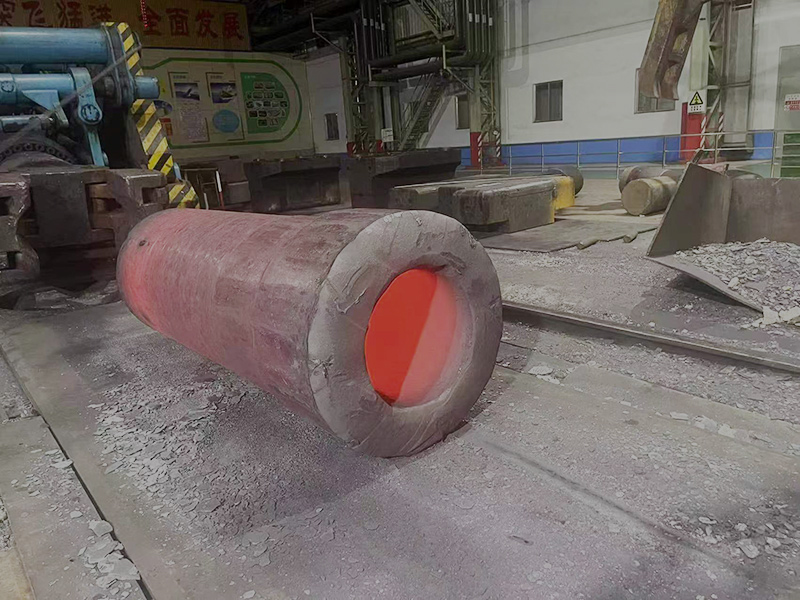
Machining hot work tool steels such as H13, H11, H21, SKD61, 1.2344, 3Cr2W8V requires careful control of cutting speeds, feeds, tool materials, and cooling conditions. These steels typically contain Cr–Mo–V alloying elements, exhibit high hot strength, and can reach hardness levels of 40–52 HRC after heat treatment, making machining more demanding than standard carbon steels.
Well-controlled machining parameters ensure:
Reduced tool wear
Stable surface integrity
Minimal risk of microcracks
Lower residual stress
Improved die life
| Parameter | Recommended Range | Notes |
|---|---|---|
| Cutting Speed (Vc) | 60–90 m/min | For annealed (≤220 HB) material |
| Feed per Tooth (fz) | 0.06–0.15 mm/tooth | Larger tools → higher feed |
| Depth of Cut (ap) | 2–5 mm | Ensure machine rigidity |
| Tool Material | Carbide (TiAlN coating) | Heat-resistant coating required |
| Coolant | Air + MQL recommended | Avoid thermal shock |
| Parameter | Recommended Range | Notes |
|---|---|---|
| Cutting Speed (Vc) | 80–120 m/min | Slightly higher for finer finish |
| Feed per Tooth (fz) | 0.04–0.10 mm/tooth | |
| Depth of Cut (ap) | 0.8–1.5 mm | Balanced chip load |
| Tool Material | Carbide (TiSiN, AlTiN) | Reduces crater wear |
| Coolant | Dry / MQL | Flood coolant may cause cracking |
| Parameter | Recommended Range | Notes |
|---|---|---|
| Cutting Speed (Vc) | 140–200 m/min | For hardened hot work steels |
| Feed per Tooth (fz) | 0.02–0.06 mm/tooth | Small chip load to reduce chatter |
| Depth of Cut (ap) | 0.2–0.6 mm | |
| Tool Material | High-performance carbide, nano-coating | AlTiN-Nano best for hardened steel |
| Coolant | Dry cutting only | Prevent thermal shock |
| Operation | Cutting Speed | Feed Rate | Depth of Cut | Insert Grade |
|---|---|---|---|---|
| Rough Turning | 120–180 m/min | 0.20–0.40 mm/rev | 2–4 mm | CVD-coated carbide |
| Semi-Finish | 150–220 m/min | 0.15–0.30 mm/rev | 1–2 mm | TiAlN carbide |
| Finish Turning | 200–280 m/min | 0.10–0.20 mm/rev | 0.2–1.0 mm | PVD-coated carbide |
| Operation | Cutting Speed | Feed Rate | Depth of Cut | Insert Grade |
|---|---|---|---|---|
| Hard Turning | 110–180 m/min | 0.05–0.18 mm/rev | 0.1–0.5 mm | CBN or PCBN |
| Finishing | 150–200 m/min | 0.03–0.12 mm/rev | 0.05–0.25 mm | CBN (wiper geometry) |
Note: Hard turning can replace light grinding for certain die components.
| Drill Type | Cutting Speed | Feed Rate | Notes |
|---|---|---|---|
| HSS Drill | 12–18 m/min | 0.10–0.20 mm/rev | For soft annealed steel only |
| Carbide Drill | 45–70 m/min | 0.05–0.12 mm/rev | For pre-hardened H13 |
| Deep Hole Drilling | 40–55 m/min | Reduce feed by 30% | Use high-pressure coolant |
Grinding hardened hot work steel (48–52 HRC) requires careful control to avoid grinding burn, microcracks, and soft spots.
| Wheel Type | Workpiece Condition | Wheel Speed | Feed | Coolant |
|---|---|---|---|---|
| Al2O3 | Annealed | 30–35 m/s | Normal | Emulsion |
| CBN | Hardened | 55–70 m/s | Light | Flood coolant required |
Key grinding recommendations:
Avoid excessive heat → prevents surface tempering
Dress the wheel regularly
Prevent dwelling in one position
Use soft grade wheels for hardened steel
EDM can cause:
Recast layer
Microcracks
Reduced fatigue strength
Altered hardness
| EDM Mode | Flushing | Pulse Duration | Notes |
|---|---|---|---|
| Roughing | High flush | Long pulse | Removes material quickly |
| Semi-finish | Medium flush | Medium pulse | Reduce heat-affected zone |
| Finish EDM | Low flush | Short pulse | Minimize recast layer |
Post-EDM must be followed by:
Polishing
Light grinding / stoning
Tempering at 550–580°C (stress relief)
Use high axial, low radial cutting for stability
Avoid slotting when possible
Use trochoidal (dynamic) toolpaths
Apply constant chip load
Choose shorter tool overhang
Use shrink-fit holders for finishing
| Problem | Cause | Solution |
|---|---|---|
| Tool chipping | Excessive radial engagement | Use high-axial strategy |
| Burr formation | Low cutting speed | Increase Vc, use sharper tool |
| Surface burn | Incorrect coolant | Switch to dry or MQL |
| Cracking after EDM | Recast layer | Temper after EDM |
| Chatter | Tool overhang too long | Reduce extension, increase rigidity |
Machining hot work tool steels requires optimized cutting parameters, rigid setups, heat-resistant tools, and controlled thermal conditions. Correct machining directly impacts die performance, reducing failure modes such as heat checking, cracking, erosion, and deformation.
Cause: High thermal gradients
Solution:
Higher thermal conductivity steel
Optimized die cooling
Cause: High residual stress
Solution:
Proper preheat
Multiple temper cycles
Cause: High surface temperature
Solution:
Improved cooling
Higher tempering temperature
Cause: Molten metal flow
Solution:
Nitriding
PVD coatings
A Tier-1 automotive supplier experienced premature failure on H13 die casting inserts after ~20,000 cycles (expected life: 80,000–120,000 cycles).
Heat checking on cavity surface
Significant erosion at metal inflow area
Cracks developed around cooling channels
Hardness reduction from 48 HRC to 38 HRC
1. Incorrect Tempering
The inserts were tempered only once at 550°C.
Industry standard for H13 requires:
2–3 temper cycles
Each cycle: 2–3 hours
Single temper left retained austenite, lowering fatigue resistance.
2. Improper Die Cooling
Cooling channels were positioned too close to the cavity, creating:
High thermal gradients
Thermal shock
Accelerated heat checking
3. Poor Molten Metal Flow Design
Aluminum jet impingement at a sharp corner caused localized erosion.
4. Insufficient Nitriding
Surface lacked protective nitrided layer → accelerated oxidation & erosion.
Revised Heat Treatment
Austenitize at 1030°C
Temper 3× at 580°C
Final hardness: 48–50 HRC
Cooling System Optimization
Increased channel distance by 4 mm
Changed from turbulent to laminar cooling
Die Surface Engineering
Plasma nitriding to 12–15 µm
Applied PVD coating (CrN)
Metal Flow Redesign
Introduced soft corner radii
Reduced impingement velocity by 22%
| Metric | Before | After |
|---|---|---|
| Die life | 20,000 shots | 118,000 shots |
| Heat checking | Severe | Minimal |
| Erosion | Heavy | Reduced 70% |
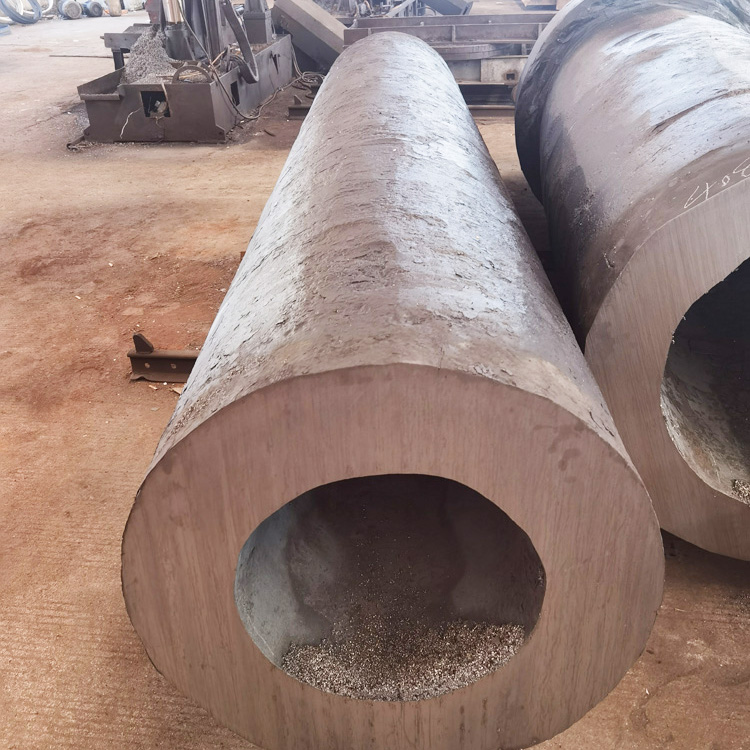
Hot work tool steels are essential for aluminum, zinc, and magnesium die casting molds. Their thermal fatigue resistance reduces heat checking, and good hot strength minimizes deformation during repeated injection cycles. H13 and 8407 ESR dominate this industry due to their long die life, machinability, and stable hardness at temperature.
Aluminum
Zinc
Magnesium
Components:
Cores, inserts, sprue bushings, sliders
Common die casting components made from H13-type steels include:
Cores and cavities
Ejector pins
Sprue bushings
Gate inserts
Sliding blocks
Aluminum extrusion dies require hot wear resistance and toughness to handle pressures up to 80–120 MPa. High-strength grades such as H13 ESR and 3Cr2W8V are used for:
Profile dies
Mandrels
Die rings
Spacer blocks
Container liners
The thermal conductivity of the steel significantly affects dimensional accuracy and die life.
Forging dies experience high impact forces and rapid heat transfer from hot billets. H11, H13, and 5CrNiMo are commonly used.
Applications include:
Closed-die forging
Hammer and press dies
Punches
Anvils
Trimming tools
Hot work steels are essential for:
Piercing plugs
Mandrel bars
Rolling dies
Grades like H13 and 3Cr2W8V offer high wear resistance in piercing and rolling environments at 900–1200°C.
Used in hot shear blades, hot trimming tools, and tools for forming copper, brass, and steel under high temperature.
Selecting the correct hot work tool steel is one of the most critical decisions in die design and manufacturing. The correct grade significantly improves die life, reduces heat checking, minimizes catastrophic failure, and lowers total operating costs. Incorrect selection often leads to premature cracking, softening, deformation, and increased maintenance costs.
This section provides a comprehensive, engineer-level guide to selecting hot work tool steel for forging dies, die casting dies, extrusion tooling, hot shearing, mandrels, punches, and other high-temperature forming applications.
Different hot work applications impose different thermal and mechanical stresses. The first selection step is to define the operating environment with the following parameters:
Working temperature(continuous & peak temperature)
Cycle frequency / thermal cycling severity
Contact pressure / mechanical load
Impact load
Tool geometry(sharp corners vs. thick sections)
Required wear resistance
Exposure to molten metal (for die casting)
Heat transfer requirement
Expected tool life / run length
| Application Type | Typical Stress Condition | Steel Requirement |
|---|---|---|
| Aluminum Die Casting | Extreme thermal shock | High thermal fatigue resistance |
| Zinc Die Casting | Moderate temperature & erosion | Good wear resistance |
| Brass / Copper Casting | Higher erosion | High strength at temperature |
| Hot Forging | High impact + high temp | High toughness + hot strength |
| Hot Extrusion | Severe friction & wear | High wear resistance |
| Hot Shearing | Extreme impact | Very high toughness |
| Sleeves & Mandrels | Continuous compression | Creep resistance |
Each hot work steel grade has a unique balance of the following core properties:
Toughness – resistance to chipping or cracking
Hot Strength – ability to maintain hardness at high temperature
Thermal Fatigue Resistance – resistance to heat checking
Wear Resistance – protection against erosion/abrasion
Thermal Conductivity – ability to dissipate heat
Hardenability – ability to harden uniformly in large sections
Shock Resistance – ability to withstand impact
| Application | Most Important Properties |
|---|---|
| Die Casting (Al, Mg) | Thermal fatigue resistance, thermal conductivity |
| Hot Forging | Toughness, hot strength |
| Brass/Copper Casting | Erosion resistance, high hot hardness |
| Extrusion Dies | Wear resistance, compression strength |
| Hot Shear Blades | Shock resistance, toughness |
| Mandrels & Sleeves | Creep resistance, hot strength |
Best overall balance of toughness, thermal fatigue, and strength
Ideal for aluminum die casting, forging dies, extrusion dies
Hardness range: 44–52 HRC
When to choose:
If unsure, H13-type steels are the safest and most versatile choice.
Higher toughness than H13
Slightly lower hot hardness
Better for impact-heavy forging applications
When to choose:
For forging hammers, high-impact tools, or large dies prone to cracking.
Very high hot hardness and resistance to softening
Lower toughness than H13/H11
When to choose:
For hot cutting, hot shearing blades, and extremely high temperature applications.
High wear resistance
Very good high-temperature strength
Slightly less toughness than H13
When to choose:
For extrusion dies, brass casting dies, and applications where friction is severe.
Good toughness
Lower alloy content
Lower thermal fatigue resistance
When to choose:
For lower-cost hot work tools, low-temperature forging, or simple dies.
Different operations require different hardness ranges.
| Application | Hardness Range |
|---|---|
| Aluminum Die Casting | 44–48 HRC |
| Hot Forging Dies | 42–52 HRC |
| Extrusion Dies | 46–52 HRC |
| Hot Shear Blades | 50–54 HRC |
| Mandrels | 46–52 HRC |
| Sleeves | 38–44 HRC |
Hardness that is too high → risk of cracking
Hardness that is too low → softening, deformation, load failure.
Large die blocks require steels with:
high hardenability
uniform hardness from surface to core
| Steel Grade | Hardenability | Maximum Section Recommendation |
|---|---|---|
| H13 | Excellent | Up to 400–500 mm |
| H11 | Very Good | Up to 350 mm |
| H21 | Moderate | For thinner sections |
| 3Cr2W8V | Good | Medium-sized dies |
If your dies exceed 400 mm thickness, always select high-hardenability grades (H13/1.2344 or remelted ESR/VAR variants).
Premium tool steels improve reliability:
ESR (Electro Slag Remelted)
VAR (Vacuum Arc Remelted)
Finer carbides
Lower inclusions
Improved toughness
Reduced risk of cracking
Longer die life
Recommendation:
For high-cavity die casting or high-speed extrusion → always choose ESR/VAR quality.
Different steel grades require specific heat treatment windows:
Austenitizing temperature
Quench type
Tempering temperature
Double/Triple tempering
Stress relieving
Incorrect heat treatment leads to:
heat checking
brittleness
soft spots
premature failure
Check manufacturer heat treatment charts before final selection.
Choose: H13 / SKD61 / 1.2344 (ESR)
Why: Best thermal fatigue + toughness balance
Choose: H11 / 1.2343
Why: High fracture toughness
Choose: 3Cr2W8V or H13 (ESR)
Why: High wear resistance
Choose: H21
Why: Superior red hardness
| Mistake | Consequence |
|---|---|
| Choosing too high hardness | Die cracking |
| Using non-remelted steel for extreme loads | Internal inclusions → premature failure |
| Selecting H13 for high-impact forging | Chipping, edge breakage |
| Using H21 where toughness is required | Catastrophic fracture |
| Incorrect tempering | Reduced hot strength |
| Overlooking thermal conductivity | Increased heat checking |
Before finalizing, verify:
Application temperature profile
Required toughness level
Wear resistance needs
Cooling rate & thermal shock levels
Tool geometry complexity
Die block size (hardenability)
Required surface treatment (nitriding, PVD)
Budget vs ESR/VAR requirement
Expected tool life
A correct steel selection can improve die life by 2–5×.
| Grade | Tool Recommendation | Cutting Speed | Notes |
|---|---|---|---|
| H13 | Carbide inserts | 70–120 m/min | Requires coolant |
| H11 | Carbide inserts | 80–130 m/min | Easier to machine |
| H21 | Ceramic / carbide | 40–80 m/min | High hardness |
| 3Cr2W8V | Carbide | 50–90 m/min | Abrasive carbides reduce tool life |
| 5CrNiMo | HSS / Carbide | 90–150 m/min | Good machinability |
Hot work tool steels play an indispensable role in high-temperature forming industries. Understanding steel grade selection, heat treatment, and failure mechanisms is critical for maximizing tooling performance and extending die life. With advanced ESR technology, improved alloy design, and optimized thermal management, modern hot work steels continue to evolve to meet the demands of automotive, aerospace, and heavy industrial manufacturing.
| Term | Definition | Notes / Application Context |
|---|---|---|
| Hot Work Tool Steel | A category of tool steel designed to maintain hardness, toughness, and strength when exposed to high temperatures (400–700°C). | Used in die casting, forging, extrusion, hot shear blades. |
| Thermal Fatigue | Cracking caused by repeated heating and cooling cycles. | Major failure mode in die casting dies. |
| Heat Checking | Fine surface cracks caused by thermal fatigue. | Common in aluminum die casting. |
| Hot Hardness | Ability to retain hardness at elevated temperatures. | Critical for dies exposed to molten metal. |
| Red Hardness | Steel's hardness under red-hot conditions. | Especially high in tungsten steels like H21. |
| Hardenability | Ability to achieve uniform hardness through the cross-section after quenching. | Important for large die blocks. |
| Austenitizing | Heating steel to form austenite before quenching. | Temperature varies by grade (H13 ~ 1020–1050°C). |
| Quenching | Rapid cooling to harden steel. | Oil, air, or polymer quench used depending on steel. |
| Tempering | Reheating quenched steel to improve toughness and reduce brittleness. | Hot work steels often require 2–3 tempering cycles. |
| Secondary Hardening | Increase in hardness during tempering due to carbide precipitation. | H13 benefits from secondary hardening at ~550°C. |
| ESR (Electro Slag Remelting) | A remelting process that reduces inclusions and improves cleanliness and toughness. | Recommended for high-performance dies. |
| VAR (Vacuum Arc Remelting) | High-purity remelting technique that enhances fatigue resistance and toughness. | Used for premium hot work steels. |
| Thermal Shock | Sudden temperature change causing stress and cracking. | Die casting experiences severe thermal shock. |
| Creep Resistance | Ability to resist deformation under high temperature over time. | Important for mandrels, cores, extrusion dies. |
| Wear Resistance | Ability to resist abrasion, erosion, and friction. | Crucial for extrusion and forging dies. |
| Carbides | Hard particles formed by carbon and alloying elements. | Improve wear resistance but reduce toughness if coarse. |
| Martensite | Hard microstructure formed after quenching. | Base structure for tool steel performance. |
| Retained Austenite | Austenite remaining after quenching; reduces dimensional stability. | Requires tempering or cryogenic treatment. |
| Toughness | Resistance to cracking and chipping under impact. | H11 and ESR grades offer high toughness. |
| Impact Load | Sudden force applied to tooling during forging or shearing. | Drives material choice for high-shock dies. |
| Erosion | Loss of material due to molten metal flow or friction. | Severe in copper/brass casting and extrusion. |
| Die Soldering | Molten aluminum sticking to the die surface during casting. | Controlled by temperature and surface treatment. |
| Thermal Conductivity | Ability of steel to transfer heat. | Higher conductivity reduces heat checking. |
| Nitriding | Surface hardening process introducing nitrogen to form hard layers. | Enhances wear and erosion resistance. |
| PVD Coating | Thin hard coatings (e.g., TiN, CrN) applied to increase surface hardness and reduce friction. | Used on die-casting cores and pins. |
| Annealing | Softening treatment for machining and stress relief. | Hot work steels typically annealed to ≤ 220 HB. |
| Stress Relieving | Controlled heating to reduce internal stresses after machining or EDM. | Prevents cracking before service. |
| EDM Recast Layer | Hardened surface layer formed after electrical discharge machining. | Must be removed or tempered to avoid cracking. |
| Heat Resistance | Ability to withstand high temperatures without losing strength. | Critical for dies exposed to molten metal. |
| Forging Temperature Range | Recommended temperature window for forging tool steel. | E.g., H13: 950–1100°C. |
| Isothermal Forging | Forging under constant die temperature conditions. | Reduces thermal shock on the die. |
| Chipping | Small fractures or chunks breaking off tool edges. | Common in insufficiently tough steels. |
| Plastic Deformation | Permanent distortion due to high heat or insufficient hardness. | Die softening results in deflection or collapse. |
| Hot Strength | Strength retained at elevated temperature. | Key for extrusion and forging dies. |
| Fatigue Life | Time until failure caused by repeated stress cycles. | Improved by proper steel grade and heat treatment. |
| Surface Integrity | Condition of the die surface after machining or EDM. | Influences thermal fatigue resistance. |
| Tool Life | Duration a tool or die performs before failure. | Major cost factor in hot work tooling. |
| Inclusions | Non-metallic particles within steel. | Reduce toughness; minimized by ESR/VAR. |
| Alloying Elements | Elements added to improve performance (Cr, Mo, V, W, Ni). | Define steel category and behavior. |
| Carburization | Carbon absorption into steel; harmful for hot work dies. | Leads to brittleness at surface. |
| Oxidation Scaling | Surface oxidation due to high temperature. | More severe in low-Cr steels. |
Yes. Tool steel is specifically designed to be heat treated. Heat treatment is what gives tool steels their high hardness, strength, and wear resistance.
Typical heat treatment steps for tool steels are:
Preheating – to reduce thermal shock and equalize temperature.
Austenitizing (hardening temperature) – heating to a critical temperature where austenite forms.
Quenching – controlled cooling (air, oil, gas, or salt) to form martensite.
Tempering – reheating below the critical temperature to improve toughness, stabilize martensite, and reduce brittleness.
For hot work tool steels (such as H13, H11, H21), heat treatment is critical to achieve a balance between:
Hot hardness
Toughness
Thermal fatigue resistance
Without proper heat treatment, even the best hot work grade will fail prematurely in service.
Strictly speaking, 4140 is not classified as a tool steel. It is a chromium–molybdenum alloy steel, often used for:
Shafts
Gears
Bolts
General engineering parts
It has:
Good toughness
Good hardenability
Moderate wear resistance
However, it lacks the high wear resistance and hot strength needed for most tool steel applications, especially for hot work dies.
You may see 4140 used occasionally in low-stress hot tooling or as a backing/support material, but if you need a real hot work die steel, grades like H13, H11, 3Cr2W8V, 5CrNiMo are far more appropriate.
D2 tool steel in the annealed condition typically has:
Hardness around 190–230 HB (≈ 20–25 HRC)
In this soft state, it is:
Easier to machine
Suitable for roughing and shaping
After hardening and tempering, D2 is usually used at:
58–62 HRC for cold work applications
Note: D2 is a cold work tool steel, not a hot work steel. It performs poorly at high temperatures compared to H13-type hot work steels.
4140 and D2 are very different materials:
4140 Alloy Steel:
Type: General-purpose Cr–Mo alloy steel
Hardness (quenched & tempered): ~28–45 HRC
Strength: High toughness
Wear resistance: Moderate
Temperature resistance: Not suitable for very high tool temperatures
Typical uses: Shafts, gears, structural parts
D2 Tool Steel:
Type: High carbon, high chromium cold work tool steel
Hardness (in use): 58–62 HRC
Wear resistance: Very high
Toughness: Lower than 4140
Temperature resistance: Good for room temperature tools, but not for hot work
Uses: Punches, dies, knives, cold shearing, blanking tools
For hot work die steel selection, neither 4140 nor D2 is ideal; H13-type steels are typically preferred.
Yes, D2 tool steel can rust.
D2 contains high chromium (~12%), which gives some corrosion resistance.
However, it is not a true stainless steel, because it lacks sufficient Cr in solid solution and has a high volume of chromium carbides.
If left unprotected in a humid or corrosive environment, D2 will oxidize. In hot work environments, it is rarely used because:
It is optimized for cold wear resistance, not thermal fatigue resistance.
Yes. Like other tool steels, A2 must be hardened and tempered to achieve its designed properties.
In the annealed state, A2 is machinable but relatively soft.
After hardening and tempering, A2 usually reaches 57–62 HRC, with good dimensional stability.
A2 is an air-hardening cold work tool steel, not a hot work steel. For high-temperature applications, hot work grades (H13, H11) are more suitable.
The hardening temperature (austenitizing temperature) depends on the tool steel type:
O-type (oil hardening): ~780–820°C
A-type (air hardening): ~950–980°C (A2)
D-type (high Cr cold work): ~1000–1040°C (D2)
Hot work tool steels (e.g., H13): ~1000–1050°C
For hot work tool steel, typical austenitizing temperatures:
H13 / 1.2344 / SKD61: 1000–1050°C
H11 / 1.2343: 1000–1030°C
H21: 1080–1200°C
Always follow steel manufacturer’s datasheet and use:
Multi-step preheating
Correct holding time
Immediate tempering after quench
In classical metallurgy, the four basic types of heat treatment are:
Annealing – Softening steel, relieving internal stress, improving machinability.
Normalizing – Producing a uniform microstructure and refining grain size.
Hardening (Quenching) – Heating to austenitizing temperature and rapidly cooling to form martensite.
Tempering – Reheating hardened steel to reduce brittleness and improve toughness.
For hot work tool steel, normalizing is less common; most processes focus on:
Annealing (or soft anneal)
Austenitizing (hardening)
Quenching
Multiple tempering cycles
Stress relief
Yes, quenching in oil can harden steel – but only if:
The steel has sufficient carbon (usually >0.3–0.4%)
The correct hardening temperature is used
The steel’s design considers oil quenching (e.g., O-series tool steels, some alloy steels)
However:
Many hot work tool steels (e.g., H13, H11) are usually air hardened or gas quenched, not oil quenched, to reduce thermal stress and cracking risk.
Using oil quench on air-hardening grades can lead to cracking.
No, but high-speed steel (HSS) is a subset of tool steels.
Tool steel: Broad category including cold work, hot work, plastic mold steels, and high-speed steels.
High-speed steel: Special group of tool steels (like M2, M42) designed for cutting tools that operate at high speeds and elevated temperatures.
Key features of HSS:
Very high hardness (up to 64–68 HRC)
High red hardness
Used for cutting tools, drills, taps, end mills
Hot work die steels (like H13) are tool steels, but they are not high-speed steels.
No tool steel is 100% immune to rust, but some are much more corrosion-resistant:
Stainless tool steels: Examples include
AISI 440C
AISI 420 (modified)
Some plastic mold stainless tool steels
D2: Often called “semi-stainless” due to its high chromium content, but it can still rust.
Hot work tool steels such as H13 contain chromium (≈5%), but:
They are not stainless
They resist scaling at high temperature, but still require protection (oils, coatings, storage conditions) to avoid rust in humid atmospheres.
A2 is designed as an air-hardening tool steel.
It is typically hardened by air or gas quenching from around 950–980°C.
Oil quenching increases the risk of cracking due to excessive cooling rate.
Therefore:
Oil quenching A2 is generally not recommended.
Air hardening gives better dimensional stability and lower stress.
In typical working conditions:
A2 tool steel, after hardening and tempering, can reach 57–62 HRC.
4140 steel, quenched and tempered, usually reaches 28–45 HRC.
So:
In terms of maximum hardness, A2 is significantly harder than 4140.
However, 4140 is tougher and more forgiving, while A2 is more wear resistant.
Both are not suitable as hot work die steels when compared to H13-type grades for high-temperature applications.
In general:
High-speed steels (HSS) like M2, M42 can reach 64–68 HRC.
Carbide tools (not steel, but often used in tooling) are even harder.
Some cold work tool steels (like special wear-resistant grades) can also reach very high hardness.
In typical hot work tool steel applications:
Hardness is usually limited to 44–54 HRC, because higher hardness reduces toughness and increases risk of cracking under thermal shock.
So, the “hardest steel” is not always the “best” for hot work — you need a balance between hardness, toughness, and thermal resistance.
A common classification by composition divides steels into four main types:
Carbon Steel
Alloy Steel
Stainless Steel
Tool Steel
Hot work die steels fall under the “tool steel” category and, more specifically, under hot work tool steel.


