


close
Choose Your Site
Global
Social Media
Views: 0 Author: Site Editor Publish Time: 2025-11-14 Origin: Site


Choosing the right die steel can make or break your manufacturing process. Hot Work Die Steel plays a vital role in high-temperature applications. In this post, you’ll learn the key differences between hot and cold work die steels and their best uses.
Understanding the core differences between hot work die steel and cold work die steel is essential for selecting the right material for your tooling needs. These steels are designed for distinct operating environments, which influence their performance, composition, and application.
Hot work die steel is engineered to perform under elevated temperatures, typically ranging from 350°C to 700°C (662°F to 1292°F). This steel maintains hardness and strength even when exposed to heat during processes like forging, extrusion, and die casting. In contrast, cold work die steel operates at or near room temperature, usually below 200°C (392°F), making it ideal for cutting, punching, and blanking tasks where heat generation is minimal.
The operating temperature significantly affects the steel's microstructure and durability. Hot work die steel resists thermal softening and thermal fatigue, while cold work die steel focuses on maintaining high hardness and wear resistance at lower temperatures.
Cold work die steel generally exhibits higher hardness than hot work die steel, often due to its higher carbon content. This hardness translates into excellent wear resistance, which is crucial for tools subjected to high mechanical stress without heat exposure. However, cold work steels tend to have lower toughness compared to hot work steels.
Hot work die steel balances hardness with superior toughness to withstand thermal shocks and impact loads. It also offers enhanced thermal fatigue resistance, which is vital for molds exposed to cyclic heating and cooling.
Thermal fatigue is a common failure mode in hot work die steels due to repeated heating and cooling cycles. Hot work steels incorporate alloying elements like chromium, tungsten, and molybdenum to improve thermal fatigue resistance and maintain tempering stability at high temperatures.
Additionally, hot work die steel typically has higher thermal conductivity than cold work die steel. This property helps dissipate heat quickly, reducing thermal gradients and the risk of cracking.
Hot Work Die Steel: Contains moderate carbon (around 0.3%–0.6%) with significant amounts of chromium, tungsten, molybdenum, and sometimes cobalt. These elements enhance high-temperature strength, toughness, and resistance to thermal fatigue.
Cold Work Die Steel: Features higher carbon content (up to 1.5% or more) and alloying with chromium, vanadium, and sometimes tungsten. These additions increase hardness and wear resistance but reduce thermal stability.
At elevated temperatures, hot work die steels maintain a stable microstructure due to their alloying elements, preventing softening and preserving tool life. Cold work die steels, however, can lose hardness and suffer from deformation if exposed to heat beyond their design limits.
Hot Work Die Steel: Best suited for hot forging, extrusion, die casting, and hot stamping where tools face high temperatures and thermal cycling.
Cold Work Die Steel: Ideal for cold stamping, blanking, cutting, and cold extrusion where mechanical wear resistance and dimensional stability at room temperature are critical.
| Property | Hot Work Die Steel | Cold Work Die Steel |
|---|---|---|
| Operating Temperature | 350°C – 700°C | Below 200°C |
| Carbon Content | Medium (0.3%–0.6%) | High (up to 1.5%) |
| Hardness | Moderate, retains at high temp | High at room temperature |
| Toughness | High, resists thermal shock | Moderate to low |
| Thermal Fatigue Resistance | High | Low |
| Thermal Conductivity | High | Lower |
| Typical Applications | Forging dies, extrusion dies, die casting molds | Cutting tools, punches, blanking dies |
Choosing between hot work die steel and cold work die steel depends on the temperature conditions, mechanical stresses, and wear requirements of your project. Understanding these core differences ensures optimal tool performance and longevity.
Tip: When selecting die steel, always match the steel type to the operating temperature range of your process to prevent premature tool failure due to thermal softening or wear.
When comparing hot work die steel vs cold work die steel, their chemical compositions reveal why each excels in its specific environment. The difference between hot and cold work die steel lies largely in their carbon content and alloying elements, which affect hardness, toughness, and thermal stability.
Cold work die steel typically contains a higher carbon content, often ranging from 0.8% to 1.5%. This elevated carbon level increases hardness and wear resistance, making it ideal for tools that operate at or near room temperature, such as cutting or blanking dies. However, higher carbon can reduce toughness and thermal stability.
In contrast, hot work die steel usually has medium carbon content, around 0.3% to 0.6%. This balance allows it to maintain hardness at elevated temperatures while offering better toughness and resistance to thermal fatigue. The lower carbon also helps preserve thermal conductivity, which is crucial for dissipating heat during hot forming processes.
Hot work die steel contains significant amounts of alloying elements such as chromium, tungsten, molybdenum, and sometimes vanadium. Each plays a specific role:
Chromium improves hardenability, corrosion resistance, and oxidation resistance at high temperatures.
Tungsten enhances red hardness and wear resistance, helping the steel maintain strength during prolonged heat exposure.
Molybdenum boosts toughness and tempering stability, reducing the risk of thermal cracking.
Vanadium refines grain size and increases strength and toughness.
These elements collectively contribute to the hot work die steel advantages, such as high-temperature strength and thermal fatigue resistance.
Cold work die steel often includes higher percentages of carbon and chromium, along with vanadium and sometimes tungsten. Chromium and vanadium form hard carbides that improve wear resistance, essential for tooling that experiences high mechanical stress without significant heat. Some grades also incorporate molybdenum to enhance toughness and tempering resistance.
Unlike hot work steels, cold work steels prioritize hardness and wear resistance over thermal stability, reflecting their use at lower temperatures.
Alloying elements impact both thermal stability and toughness differently in hot and cold work die steels. In hot work die steel, elements like tungsten and molybdenum increase tempering stability, allowing the steel to retain hardness and strength at elevated temperatures. This reduces thermal softening and prolongs tool life under cyclic heating and cooling.
For cold work die steel, high carbon and chromium content improve hardness but can make the steel more brittle. Adding vanadium and molybdenum helps balance this by enhancing toughness and resistance to cracking during mechanical stresses.
Tip: When selecting die steel, consider not only carbon content but also the specific alloying elements, as they critically influence heat resistance, toughness, and wear performance for your application.
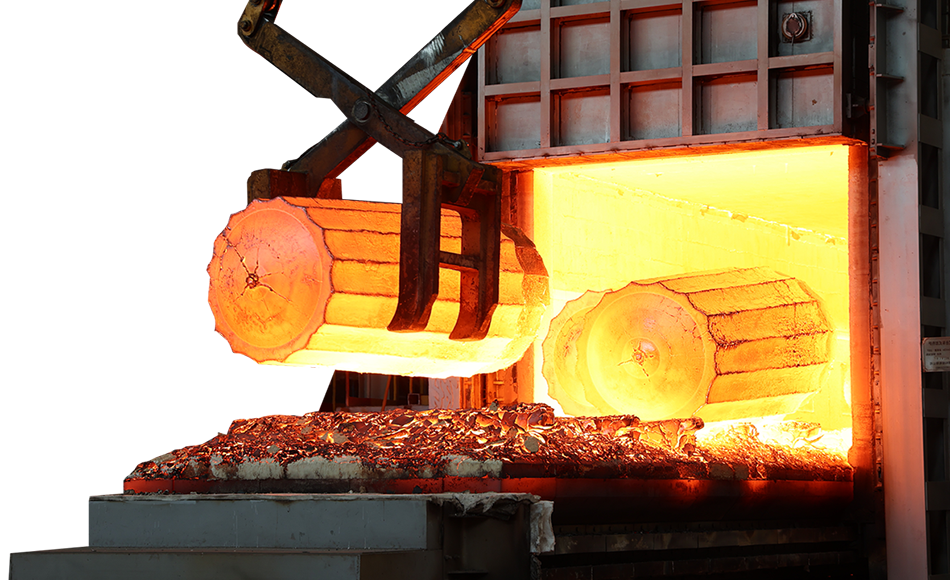
Understanding the performance characteristics of hot work die steel versus cold work die steel under working conditions is crucial for selecting the right material for your tooling. These steels behave differently under mechanical stress, temperature variations, and wear, reflecting their distinct applications.
Cold work die steel typically offers superior wear resistance at room temperature. Its higher carbon content and carbide-forming alloying elements create a hard surface that withstands abrasion and mechanical wear during cutting, blanking, and punching operations. This hardness helps maintain sharp edges and dimensional accuracy over long production runs.
In contrast, hot work die steel must resist wear at elevated temperatures, where materials tend to soften. Although it has lower hardness than cold work steel at room temperature, hot work steel retains its hardness and strength at temperatures between 350°C and 700°C. This makes it ideal for forging and die casting, where the die surface faces hot metal and thermal cycling.
Cold work die steel is designed to endure high mechanical stresses without deforming. Its high hardness provides resistance to plastic deformation, but this can come at the cost of reduced toughness, making it more susceptible to cracking under impact or shock loads.
Hot work die steel balances hardness with increased toughness. It withstands thermal shocks and mechanical impacts better, which is essential during hot forming processes where dies face rapid temperature changes and heavy loads. This toughness reduces the risk of fracture and extends die life.
A key advantage of hot work die steel is its tempering stability at elevated temperatures. Alloying elements such as chromium, tungsten, and molybdenum improve the steel’s resistance to thermal softening. This means hot work dies maintain their hardness and strength even after repeated heating and cooling cycles.
Cold work die steel, with its higher carbon content, tends to soften quickly when exposed to heat. It lacks the tempering stability required for hot environments, making it unsuitable for applications involving elevated temperatures.
Impact resistance is critical in hot work die steel due to the cyclic thermal and mechanical stresses it encounters. The steel’s alloying and heat treatment processes enhance toughness, allowing it to absorb shocks without cracking.
Cold work die steel generally exhibits lower impact resistance because its high hardness makes it more brittle. This characteristic suits operations where impact loads are minimal but consistent wear resistance is required.
Thermal fatigue is a common failure mode in hot work dies. Repeated heating and cooling cause expansion and contraction, leading to surface cracking. Hot work die steels are engineered to resist thermal fatigue through high thermal conductivity and alloying that raises the critical transformation temperature, minimizing crack initiation.
Proper heat treatment and preheating of hot work dies also help reduce thermal stresses and prolong tool life.
Tip: To maximize tool longevity, select hot work die steel grades with high tempering stability and thermal fatigue resistance for high-temperature applications, while choosing cold work die steel with superior hardness and wear resistance for low-temperature, high-stress operations.
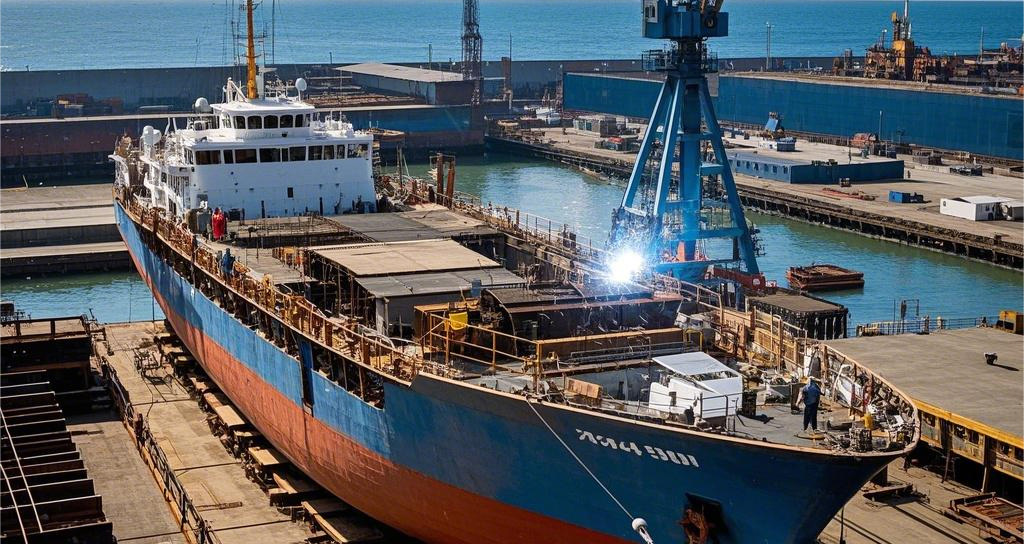
Hot work die steel plays a crucial role in manufacturing processes that involve high temperatures. Its unique properties make it the preferred choice for tooling used in hot forming and casting operations. Understanding these applications helps manufacturers select the right steel type for their needs.
Hot work die steel is specifically designed to withstand temperatures typically ranging from 350°C to 700°C (662°F to 1292°F). This makes it ideal for forging, extrusion, and die casting processes where tools are exposed to intense heat. For example:
Forging dies shape heated metal by applying compressive forces, requiring steel that maintains strength and hardness despite thermal stress.
Extrusion dies push softened metal through shaped openings, demanding high thermal fatigue resistance.
Die casting molds hold molten metal until solidification, where hot work die steel resists thermal cracking and wear.
These processes expose tooling to thermal cycles and mechanical loads, so hot work die steel must combine heat resistance with toughness.
Typical tools crafted from hot work die steel include:
Hot forging dies
Extrusion dies
Die casting molds
Hot stamping dies
Hot shear blades
Among the popular grades used is H13 steel, known for its excellent toughness and thermal fatigue resistance. Other types include chromium, tungsten, and molybdenum hot work steels, each suited for specific temperature ranges and wear conditions.
Hot work die steel offers several advantages in elevated temperature applications:
High tempering stability: Maintains hardness after repeated heating and cooling.
Thermal fatigue resistance: Resists cracking from thermal cycling.
Good toughness: Absorbs impact loads without fracturing.
High thermal conductivity: Helps dissipate heat quickly, reducing thermal gradients.
Wear resistance: Withstands abrasive contact with hot metals.
These properties extend tool life, reduce downtime, and improve manufacturing efficiency.
Proper heat treatment is essential to maximize the performance of hot work die steel. Typical steps include:
Preheating: Reduces thermal shock during use.
Quenching: Hardens the steel to desired levels.
Tempering: Enhances toughness and relieves internal stresses.
Maintenance often involves regular inspection for thermal fatigue cracks and timely repairs or reconditioning. Using appropriate cooling methods during operation also helps prevent premature failure.
Tip: For hot work die steel applications, always ensure heat treatment processes are tailored to the specific steel grade and operating temperature to optimize durability and performance.
Cold work die steel is specially designed for operations performed at or near room temperature. Its unique characteristics make it ideal for various cold forming processes where maintaining high hardness and wear resistance is critical.
Cold work die steel excels in tasks such as cutting, punching, and blanking. These operations involve shaping or cutting metal without applying heat, requiring steel that can withstand high mechanical stresses and repeated impact. The high hardness and wear resistance of cold work die steel ensure that tools maintain sharp edges and precise dimensions over extended production runs.
Precision molds and dies used in cold forming processes often rely on cold work die steel for their durability and dimensional stability. This steel type allows manufacturers to produce intricate shapes with tight tolerances, essential for industries like automotive, electronics, and appliance manufacturing. Cold work die steel types such as D2 and A2 are common choices due to their excellent wear resistance and ability to hold fine details.
One of the main cold work die steel advantages is its ability to maintain high hardness at room temperature, which translates to superior wear resistance. This property reduces tool wear and downtime caused by frequent sharpening or replacement. Additionally, cold work steels resist abrasion and mechanical deformation, making them suitable for high-volume stamping and forming operations.
Cold work die steel typically undergoes quenching and tempering heat treatments to optimize hardness and toughness. Proper heat treatment enhances dimensional stability, minimizing distortion during use. This stability is vital for maintaining the accuracy of cold work dies, ensuring consistent product quality. Unlike hot work die steel, cold work steels generally do not require complex preheating or cooling cycles during operation.
Tip: For cold work die steel applications, select grades with high carbon and chromium content to maximize hardness and wear resistance while ensuring proper heat treatment to maintain dimensional stability and tool longevity.
Choosing the appropriate die steel—whether hot work die steel or cold work die steel—is crucial for ensuring optimal tool performance and longevity. Several factors come into play when making this decision, including operating temperature, mechanical load, wear conditions, and precision requirements.
Operating Temperature: The primary consideration is the temperature at which the die will function. Hot work die steel is designed for temperatures above 350°C, maintaining strength and toughness under thermal cycling. Cold work die steel excels below 200°C, providing superior hardness and wear resistance at room temperature.
Mechanical Load: Evaluate the type and magnitude of forces the tool will endure. Hot work steels offer better toughness and impact resistance, ideal for heavy loads and thermal shocks. Cold work steels deliver excellent resistance to deformation under high mechanical stress but can be more brittle.
Wear Conditions: Consider the wear mechanisms involved. Cold work die steel, with its higher hardness, is better suited for abrasive wear at lower temperatures. Hot work die steel balances wear resistance with thermal fatigue resistance, crucial for cyclic heating and cooling.
Precision Requirements: Cold work die steels generally achieve higher dimensional stability and finer surface finishes, essential for precision molds and dies. Hot work steels may experience slight dimensional changes due to thermal expansion but provide better durability in harsh conditions.
Hot work die steel often contains more alloying elements like tungsten and molybdenum, which increase material and processing costs. Additionally, heat treatment and maintenance of hot work dies tend to be more complex and costly due to preheating and tempering requirements.
Cold work die steel, with higher carbon content and simpler alloying, usually costs less upfront. However, frequent tool replacements due to wear or brittleness can increase long-term expenses. Balancing initial investment with tool life is key.
Hot work dies require careful heat treatment and controlled cooling to minimize thermal fatigue and cracking. Regular inspection and timely maintenance can significantly extend their service life.
Cold work dies demand less complex maintenance but are prone to wear and chipping, especially under impact loads. Proper heat treatment improves toughness and reduces cracking risks, enhancing lifespan.
Automotive Forging Dies: Using H13 hot work die steel improved die life by resisting thermal fatigue and maintaining toughness during high-temperature forging.
Precision Blanking Tools: D2 cold work die steel provided exceptional wear resistance and dimensional stability, ensuring consistent part quality over long production runs.
Extrusion Dies: Selecting 4CrW2Si hot work steel balanced wear resistance and thermal stability, optimizing performance in hot extrusion processes.
Match die steel grade precisely to the process temperature and mechanical demands.
Employ appropriate heat treatment cycles tailored to the selected steel type.
Use surface treatments or coatings to enhance wear resistance when applicable.
Implement regular inspection schedules to detect early signs of wear or fatigue.
Consider tool design modifications to reduce stress concentrations and improve cooling.
Tip: Always align your die steel choice with the specific temperature range and mechanical stresses of your application to maximize tool life and minimize downtime.
Choosing between hot work and cold work die steel depends on understanding their key differences and applications. Hot work steel excels in high-temperature processes, offering toughness and thermal fatigue resistance. Cold work steel provides superior hardness and wear resistance at lower temperatures. Knowing these properties helps manufacturers improve tool performance and lifespan. Engineers should select steel based on operating conditions to optimize results. ZHONGYUETONG offers high-quality die steel products designed to meet diverse manufacturing needs and enhance productivity.
A: The primary difference lies in their operating temperature ranges and properties. Hot work die steel is designed to maintain hardness and toughness at elevated temperatures (350°C to 700°C), making it ideal for forging and die casting. Cold work die steel operates below 200°C, offering higher hardness and wear resistance for cutting and blanking tasks at room temperature.
A: Cold work die steel typically has higher hardness due to its elevated carbon content, providing excellent wear resistance at low temperatures but lower toughness. Hot work die steel balances moderate hardness with superior toughness and thermal fatigue resistance to withstand high-temperature cycling and impact.
A: Hot work die steel is used in forging dies, extrusion dies, die casting molds, and hot stamping tools where high temperatures and thermal cycling occur. Its heat resistance and toughness make it suitable for tooling exposed to temperatures between 350°C and 700°C.
A: Heat treatment enhances hot work die steel’s tempering stability, toughness, and resistance to thermal fatigue. Proper quenching and tempering prevent thermal softening and cracking, ensuring the die maintains strength and durability during repeated heating and cooling cycles.
A: No, cold work die steel lacks the tempering stability and toughness required for high-temperature applications. Exposure to heat above 200°C can cause cold work steels to soften and deform, leading to premature tool failure. Hot work die steel is recommended for such environments.
A: Hot work die steel contains moderate carbon with chromium, tungsten, molybdenum, and sometimes cobalt or vanadium to improve high-temperature strength and thermal fatigue resistance. Cold work die steel has higher carbon and chromium, plus vanadium and tungsten, focusing on hardness and wear resistance at room temperature.
A: Key factors include operating temperature, mechanical load, wear conditions, and precision requirements. Hot work die steel suits high-temperature, impact-prone environments, while cold work die steel excels in low-temperature, high-wear applications requiring dimensional stability and hardness.
A: Hot work die steel generally costs more due to its complex alloying and heat treatment needs. However, its longer lifespan in high-temperature applications can offset initial expenses. Cold work die steel is cheaper upfront but may require more frequent replacement in demanding conditions.
Die steels are categorized into:
Hot Work Tool Steel (H-series, H13, H11, H21)
Cold Work Tool Steel (D2, O1, A2, S7)
Plastic Mold Steel (P20, 718, 1.2316)
High-Speed Steel (M2, M42)
Hot work refers to metal deformation performed above recrystallization temperature, allowing easier shaping.
Cold work is performed at room temperature and increases strength through strain hardening.
Hot steel is heated and deformed at high temperatures, making it easier to form and shape.
Cold steel is processed at room temperature, resulting in better surface finish, tighter tolerances, and higher strength.
Lower dimensional accuracy
Surface oxidation and scale formation
Possible grain growth
Requires more energy and temperature control
Hot work steel is a type of alloy steel engineered to withstand high thermal loads, mechanical stress, and rapid temperature cycling. It is commonly used in forging dies, die-casting molds, and extrusion tooling.
The primary advantage is significant reduction in deformation resistance, making large shape changes possible without cracking.
Cold work steel is used for forming or cutting materials at room temperature. It features high hardness, high wear resistance, and increased toughness. Common types include D2, A2, and O1.
According to the AISI classification:
Carbon steel
Alloy steel
Stainless steel
Tool steel
Hot die steel is a subset of hot work tool steel used specifically for dies exposed to high temperatures and thermal shock, such as die-casting dies, hot extrusion dies, and forging dies.
Hot worked steel is shaped at high temperatures and has lower strength but better ductility.
Cold worked steel is strengthened through strain hardening and offers better surface finish and higher dimensional accuracy.
D2: Higher wear resistance, lower toughness
S7: Higher toughness, better impact resistance
S7 is better for shock-loading, while D2 is preferred for long-wear cutting applications.
Any metalworking done above the recrystallization temperature, typically above 0.6× melting temperature, qualifies as hot work.
Hot work changes metal shape using high temperatures; cold work uses room temperature deformation. Cold work increases strength, while hot work maintains ductility.
Because the metal is deformed at ambient or near-room temperature, without heating to increase ductility.
Hot finished steel is shaped at high temperatures and then cooled.
Cold formed steel is shaped at room temperature, producing a better surface finish and tighter tolerances.
Hot rolled steel is cheaper due to simpler processing and lower production cost.
Yes. Its rough, scaled surface oxidizes easily unless coated or painted.
Cold rolling
Punching
Stamping
Deep drawing
Bending at room temperature
Hot forging
Hot extrusion
Rolling at high temperature
Die casting
Lower dimensional accuracy
Poor surface finish
More internal stresses
Can warp as it cools
Higher strength through strain hardening
Better surface finish
Superior dimensional control
Cleaner appearance
Cold rolled steel is stronger because of work hardening during deformation.
Higher cost
Lower ductility
More internal stresses
Less suitable for heavy forming


