


close
Choose Your Site
Global
Social Media
Views: 0 Author: Site Editor Publish Time: 2025-11-14 Origin: Site


Ever wonder why H13 is the top choice in hot work die steel? Its unique properties make it stand out. Hot work die steel is vital for high-temperature industrial tools. H13 offers the best balance of toughness and heat resistance. In this post, you’ll learn why H13 is so popular and what makes it ideal for demanding applications.
H13 hot work die steel owes its outstanding performance to a well-balanced chemical composition. It contains roughly 0.32–0.45% carbon, 4.75–5.50% chromium, 1.10–1.75% molybdenum, and 0.80–1.20% vanadium. These elements work together to give H13 tool steel properties that are essential for hot work applications. Chromium enhances wear resistance and oxidation protection, while molybdenum and vanadium improve toughness and hot hardness. This unique blend results in a steel that withstands thermal fatigue and maintains hardness even at elevated temperatures, making it a preferred hot die steel H13 grade.
One of the primary reasons to choose H13 steel is its exceptional resistance to thermal fatigue. In hot work tooling, repeated heating and cooling cycles can cause cracking and premature failure. H13’s chemical makeup and microstructure provide excellent resistance to heat checking and thermal shock. This durability reduces downtime and replacement frequency, a huge benefit in industries like die casting and forging where tools face intense thermal cycling.
H13 steel maintains its mechanical strength and hardness at temperatures up to about 540°C (1000°F). This high-temperature stability is critical for hot work die steel used in demanding environments such as extrusion and hot forging. Unlike many steels that soften when heated, H13 preserves its toughness and dimensional stability, ensuring precise tooling performance over time.
H13 tool steel offers an ideal balance between hardness and toughness. Its hardness typically ranges from 48 to 52 HRC after heat treatment, which is sufficient to resist wear. Yet, it remains tough enough to absorb impacts without cracking. This balance enhances tool life and reliability, especially in applications involving heavy mechanical stresses.
The presence of vanadium and chromium carbides in H13 steel contributes to its excellent wear resistance. This property is crucial for tools exposed to abrasive materials and high-pressure contact. H13’s wear resistance extends the service life of dies and molds, reducing maintenance costs and improving production efficiency.
Despite its toughness, H13 hot work steel machines well compared to other tool steels. Its machinability rating is around 55-70%, allowing manufacturers to achieve precise dimensions and intricate designs efficiently. Additionally, H13 can be polished to a fine finish, which is important for molds requiring smooth surfaces to prevent defects in cast or molded parts.
H13 steel exhibits minimal distortion during heat treatment due to its balanced alloy content and air-hardening characteristics. This property simplifies manufacturing processes by reducing the need for extensive post-heat-treatment machining and adjustments, saving time and costs.
H13’s combination of properties makes it versatile for a wide range of hot work die steel applications. It is commonly used in die casting dies for aluminum and magnesium, forging dies, extrusion dies, hot shear blades, and plastic molds. Its adaptability ensures it meets the demands of diverse industries, from automotive to aerospace.
Tip: When selecting hot work die steel, consider H13 for its proven balance of thermal fatigue resistance, high-temperature strength, and machinability to maximize tool life and performance.
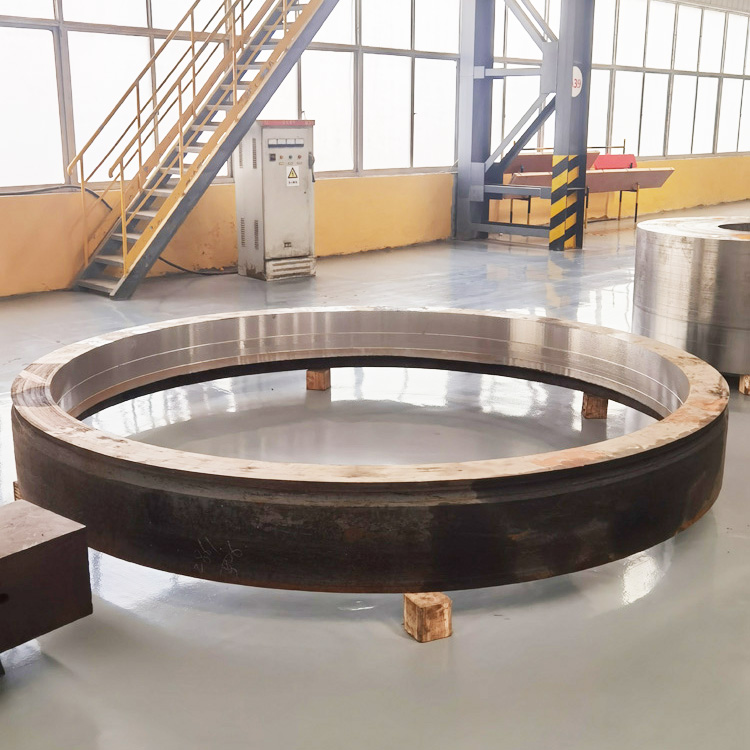
Understanding the chemical composition of H13 hot work die steel is key to appreciating its outstanding performance in demanding applications. The alloying elements in H13 work synergistically to provide a balance of hardness, toughness, and thermal stability that few other hot die steels can match.
Chromium is a major player in H13 steel, typically comprising about 4.75% to 5.50% of the alloy. It forms hard chromium carbides that boost wear resistance and help the steel resist oxidation at high temperatures. This makes H13 tool steel particularly valuable for hot work applications where thermal fatigue and surface degradation are common.
Molybdenum, present in the range of 1.10% to 1.75%, enhances the steel’s hot hardness and strength. It also contributes to secondary hardening during heat treatment, improving the steel’s ability to withstand elevated temperatures without softening. This results in superior high-temperature stability, a critical property for hot work die steel.
Vanadium, usually between 0.80% and 1.20%, refines the grain size and forms vanadium carbides. These carbides increase wear resistance and toughness, helping the steel endure the mechanical shocks encountered during forging, extrusion, and die casting.
Carbon content in H13 steel typically ranges from 0.32% to 0.45%. This moderate carbon level enables the steel to achieve a good balance between hardness and toughness. Higher carbon content tends to increase hardness but can reduce toughness, making the steel more brittle. H13’s carbon range ensures that it maintains sufficient hardness to resist wear while retaining enough toughness to withstand impact and thermal cycling.
Silicon, present at 0.80% to 1.20%, improves oxidation resistance at elevated temperatures, protecting the steel from scaling and surface deterioration. Manganese, in the range of 0.20% to 0.50%, enhances hardenability and contributes to the steel’s overall strength and toughness. Both elements play supportive roles in maintaining H13 steel’s thermal stability during prolonged exposure to heat.
Compared to other chromium hot work steels like H11 and H12, H13 contains slightly higher levels of vanadium and molybdenum, which translate to better toughness and hot hardness. While H11 and H12 are excellent for certain applications, H13’s balanced composition makes it the go-to choice for versatile hot work die steel applications. It offers improved resistance to thermal fatigue and wear, making it more durable in demanding environments.
| Element | H11 (%) | H12 (%) | H13 (%) |
|---|---|---|---|
| Carbon (C) | 0.33 - 0.43 | 0.30 - 0.40 | 0.32 - 0.45 |
| Chromium (Cr) | 4.75 - 5.50 | 4.75 - 5.50 | 4.75 - 5.50 |
| Molybdenum (Mo) | 1.10 - 1.60 | 1.25 - 1.75 | 1.10 - 1.75 |
| Vanadium (V) | 0.30 - 0.60 | 0.50 max | 0.80 - 1.20 |
| Silicon (Si) | 0.80 - 1.20 | 0.80 - 1.20 | 0.80 - 1.20 |
| Manganese (Mn) | 0.20 - 0.50 | 0.20 - 0.50 | 0.20 - 0.50 |
This table highlights how H13’s composition is tailored for enhanced toughness and wear resistance compared to its chromium hot work steel counterparts.
Tip: When selecting hot work die steel, prioritize H13 for its optimized alloy content that delivers a superior balance of hardness, toughness, and thermal stability essential for long-lasting tooling performance.
Heat treatment is a critical step to unlock the full potential of H13 hot work die steel. Properly controlled processes enhance its hardness, toughness, and durability, making it ideal for demanding hot work applications. Let’s explore the key heat treatment stages tailored for H13 steel.
Before hardening, H13 steel requires careful preheating to reduce thermal shock and minimize distortion. Typically, it is preheated in two stages:
First, heat slowly to about 621–677°C (1150–1250°F) and hold to equalize temperature.
Then raise to 816–871°C (1500–1600°F) and hold again to ensure uniform heating.
After preheating, the steel is austenitized by rapidly heating to 982–1032°C (1800–1890°F). The exact temperature depends on the desired balance between toughness and hardness. Lower austenitizing temperatures favor toughness, while higher temperatures maximize hardness and wear resistance. Soaking at this temperature for 30 to 40 minutes ensures full transformation.
H13 steel is air-hardening, meaning it can be quenched in still air for sections up to 127 mm (5 inches) thick. For thicker sections, accelerated cooling methods like forced air, pressurized gas, or interrupted oil quenching are used to achieve uniform hardness and reduce the risk of cracking.
Air Quenching: Suitable for most sections; minimizes distortion.
Oil Quenching: Used for complex shapes; requires careful control to avoid cracking.
Gas Quenching: Provides uniform cooling for thick or intricate parts.
Quenching locks in a hard martensitic structure, but also induces internal stresses. Proper quenching is essential to balance hardness and minimize deformation.
Immediately after quenching, H13 steel undergoes tempering to relieve stresses and improve toughness. Tempering temperatures typically range from 500 to 650°C (932 to 1202°F), depending on the application.
Lower tempering temperatures (around 500°C) yield higher hardness (up to 56 HRC).
Higher tempering temperatures improve toughness but reduce hardness.
Double or even triple tempering cycles are common to achieve stable mechanical properties and reduce the risk of cracking during service. Tempering also enhances resistance to thermal fatigue, a key benefit for hot work die steel.
Stress Relieving: Performed after machining or rough heat treatment to reduce residual stresses. It involves heating to 565–676°C (1050–1250°F), holding, then air cooling.
Annealing: Used before final heat treatment or after forging to soften the steel, improve machinability, and refine microstructure. Annealing is done by heating slowly to 857–885°C (1575–1625°F), soaking, then cooling slowly in the furnace.
These processes improve dimensional stability and extend tool life by minimizing distortion and cracking during subsequent operations.
Tip: For optimal H13 tool steel performance, strictly control preheating rates and tempering temperatures to balance hardness and toughness, ensuring durability in hot work tooling applications.
H13 steel is a true workhorse in the realm of hot work die steel, prized for its versatility and reliability across various demanding applications. Its unique blend of toughness, heat resistance, and wear properties allows it to perform exceptionally well in environments where tools face extreme thermal and mechanical stresses.
Die casting involves injecting molten metal into molds at high temperatures and pressures. H13 hot work die steel is the go-to choice for die casting dies, especially for aluminum and magnesium alloys. It withstands rapid thermal cycling and resists heat checking, ensuring longer die life and consistent casting quality. Its excellent thermal conductivity helps dissipate heat quickly, reducing cycle times and improving productivity.
In forging operations, dies endure intense mechanical impact and elevated temperatures. H13 steel’s high toughness and thermal fatigue resistance make it ideal for forging dies and hot shear blades. It maintains dimensional stability and resists cracking under cyclic loading, which is critical for maintaining precise part geometries and minimizing downtime.
Extrusion processes subject tooling to continuous high temperatures and abrasive metal flow. H13 steel’s wear resistance and high-temperature strength allow extrusion dies and mandrels to sustain performance over extended runs. Its ability to retain hardness at elevated temperatures ensures consistent product quality and reduces tool replacement frequency.
Though primarily a hot work die steel, H13’s toughness and polishability also make it suitable for plastic molds and injection molding tools. It can withstand the thermal stresses involved in molding thermoplastics and offers excellent surface finish, which is essential for producing defect-free plastic parts.
The aerospace and automotive industries demand tooling materials that combine durability, heat resistance, and precision. H13 steel fits these requirements perfectly. It is widely used for manufacturing molds, dies, and other tooling components that must endure high temperatures and mechanical loads while maintaining tight tolerances. Its balance of hardness and toughness helps improve tool life and reduce maintenance costs in these sectors.
Tip: For optimal performance in hot work die steel applications, choose H13 steel due to its proven ability to handle thermal fatigue, wear, and high mechanical stresses across diverse industrial uses.
H13, H11, and H12 are all chromium-based hot work die steels, but H13 stands out due to its higher vanadium and molybdenum content. This difference enhances H13’s toughness, wear resistance, and high-temperature strength. While H11 and H12 perform well in many hot work applications, they typically have lower resistance to thermal fatigue and wear compared to H13. For example, H13 can maintain hardness and dimensional stability at temperatures up to 540°C (1000°F), making it more suitable for demanding die casting and forging tools.
| Property | H11 | H12 | H13 |
|---|---|---|---|
| Carbon (%) | 0.33 - 0.43 | 0.30 - 0.40 | 0.32 - 0.45 |
| Chromium (%) | 4.75 - 5.50 | 4.75 - 5.50 | 4.75 - 5.50 |
| Molybdenum (%) | 1.10 - 1.60 | 1.25 - 1.75 | 1.10 - 1.75 |
| Vanadium (%) | 0.30 - 0.60 | ≤ 0.50 | 0.80 - 1.20 |
| Typical Hardness (HRC) | 45 - 50 | 45 - 50 | 48 - 52 |
| Thermal Fatigue | Good | Good | Excellent |
S7 tool steel is known for its exceptional shock resistance and toughness, making it ideal for impact-heavy applications like punches and chisels. However, S7’s hot hardness and thermal fatigue resistance are inferior to H13’s. H13 outperforms S7 in high-temperature environments due to its superior ability to retain hardness and resist cracking during rapid heating and cooling cycles. This makes H13 the preferred choice for hot work die steel tooling, while S7 is better suited for cold work or high-impact applications where heat resistance is less critical.
D2 and A2 tool steels are primarily cold work steels with high carbon and chromium content, offering excellent wear resistance and hardness at room temperature. However, their performance significantly declines at elevated temperatures due to lower red hardness. H13, designed as a hot work die steel, maintains strength and toughness at temperatures where D2 and A2 soften. For instance, H13’s tempering resistance allows it to retain hardness beyond 500°C, while D2 and A2 typically lose hardness above 200–300°C. Thus, H13 is more suitable for hot forging, die casting, and extrusion dies, whereas D2 and A2 are better for cold work tooling.
| Steel Type | Hot Hardness | Wear Resistance | Toughness | Typical Applications |
|---|---|---|---|---|
| H13 | High | High | Good | Hot forging, die casting, extrusion |
| D2 | Low | Very High | Moderate | Cold work dies, cutting tools |
| A2 | Low | High | High | Cold work dies, blanking |
Though H13 tool steel may have a higher initial cost than some alternatives like A2 or S7, its durability and resistance to thermal fatigue often translate to longer tool life and reduced downtime. This cost-effectiveness is especially evident in high-volume hot work processes where tool replacement and maintenance expenses can be significant. Additionally, H13’s machinability and minimal distortion during heat treatment reduce manufacturing costs. Therefore, investing in H13 often yields better long-term value for industries requiring reliable hot work die steel.
Tip: When selecting hot work die steel, consider H13 for its superior high-temperature performance and balanced toughness, especially in applications involving repeated thermal cycling and wear.
Despite its excellent durability, H13 hot work die steel tools face wear challenges over time. Thermal fatigue cracking is a common issue caused by repeated heating and cooling cycles. These cycles can lead to micro-cracks, eventually compromising tool integrity. Additionally, abrasive wear occurs due to contact with hot, hard metals and molten materials, gradually eroding the tool surface. Surface oxidation at elevated temperatures can also degrade tool life by forming scale and weakening the steel’s surface layer.
H13 steel contains chromium, which offers moderate corrosion resistance. However, it is not stainless steel, so prolonged exposure to moisture or aggressive environments can promote rust and oxidation. Oxidation at high temperatures causes scaling, which accelerates wear and may lead to premature failure. To mitigate this, protective coatings or surface treatments like nitriding are often applied to enhance corrosion and oxidation resistance.
Proper heat treatment is vital for maintaining H13 tool steel’s performance. Controlled preheating reduces thermal shock during hardening, minimizing distortion and cracking. Quenching should be done carefully—air quenching is typical for thicknesses up to 5 inches, while thicker sections may require oil or gas quenching to ensure uniform hardness. Tempering at appropriate temperatures (usually between 500°C and 650°C) balances hardness and toughness. Regular maintenance includes inspecting tools for cracks, surface wear, and oxidation, followed by timely repairs or re-tempering to restore properties.
Welding H13 steel is challenging due to its susceptibility to cracking from thermal stresses and alloy composition. Preheating the steel to about 200–300°C before welding and maintaining interpass temperatures helps reduce cracking risks. Post-weld heat treatment is essential to relieve residual stresses and restore toughness. Gas tungsten arc welding (GTAW) is preferred for precision and control. However, welding should be limited to minor repairs, as extensive welding can degrade the tool’s mechanical properties. Alternative repair methods like brazing or thermal spraying may be considered for certain applications.
Tip: To maximize H13 tool steel durability, implement strict heat treatment protocols and schedule regular inspections for early detection of thermal fatigue and wear.
When selecting H13 hot work die steel, quality assessment is paramount. High-quality H13 steel must meet strict chemical composition standards, ensuring the right balance of chromium, molybdenum, vanadium, carbon, silicon, and manganese. These elements guarantee the steel’s renowned toughness, thermal fatigue resistance, and wear properties.
Look for certifications that confirm compliance with AISI, ASTM, or equivalent international standards. Additionally, inquire about the steel’s microstructure uniformity, as refined grain size and carbide distribution enhance durability and machinability. Remelted variants like ESR (Electro-Slag Remelting) or VAR (Vacuum Arc Remelting) often provide superior homogeneity and reduced impurities, which are critical for demanding hot work applications.
Choosing a trusted supplier is as crucial as selecting the right steel grade. Experienced suppliers understand the nuances of H13 tool steel properties and heat treatment requirements. They can provide technical support, helping you choose the best steel form—be it bars, plates, or custom shapes—for your specific hot work die steel needs.
Reliable suppliers maintain extensive inventories of H13 steel in various dimensions and finishes, ensuring quick delivery and reducing lead times. This availability is vital for industries where downtime can be costly. Moreover, suppliers with global reach and proven track records offer assurance of consistent quality and after-sales service.
Top-tier suppliers often offer custom processing services tailored to your project requirements. These may include precision cutting, surface treatments, or pre-machining to optimize the steel for immediate use. Proper packaging, such as rust prevention coatings and secure crating, protects the steel during transit and storage, preserving its quality.
Custom processing can also extend to heat treatment services, where suppliers apply controlled hardening and tempering to meet your hardness and toughness specifications. This turnkey approach simplifies procurement and ensures the steel arrives ready for manufacturing.
Several industrial clients have benefited from partnering with reputable H13 steel suppliers. For example, an aerospace manufacturer reduced tool failure rates by switching to ESR-processed H13 steel sourced from a specialist supplier offering tailored heat treatment and machining services. Another automotive die casting company improved production uptime by leveraging a supplier’s extensive stock and rapid delivery capabilities.
These success stories highlight how supplier expertise, quality assurance, and service flexibility directly impact tooling performance and operational efficiency. They underscore the importance of selecting suppliers who not only provide high-quality H13 steel but also support your production goals through comprehensive solutions.
Tip: Prioritize suppliers with certified H13 steel, robust technical support, and custom processing capabilities to ensure your hot work die steel meets stringent quality and performance standards.
H13 steel remains popular due to its excellent thermal fatigue resistance, high-temperature strength, and balanced hardness. Its unique chemical composition ensures durability and wear resistance in demanding hot work applications. Innovations continue to enhance H13’s performance and machinability. Industry professionals are advised to select H13 for reliable, long-lasting tooling solutions. ZHONGYUETONG offers high-quality H13 steel with expert support, providing exceptional value for hot work die steel needs.
A: H13 hot work die steel is favored for its unique chemical composition that balances hardness, toughness, and thermal fatigue resistance. Its high chromium, molybdenum, and vanadium content provide excellent wear resistance and stability at elevated temperatures, making it ideal for demanding hot work die steel applications.
A: H13 steel offers superior thermal fatigue resistance, high-temperature strength, and balanced hardness and toughness, which extend tool life and reduce downtime in hot work die steel tooling like forging and die casting.
A: Compared to alternatives like H11 or H12, H13 has enhanced toughness and wear resistance due to higher vanadium and molybdenum content. It maintains hardness up to 540°C, making it more durable for hot work die steel applications involving thermal cycling.
A: H13 machines well with a machinability rating of 55-70%. Use sharp tools, moderate cutting speeds, and proper cooling to minimize tool wear and achieve precise dimensions, essential for hot work die steel components.
A: Proper heat treatment—including controlled preheating, air or gas quenching, and tempering between 500–650°C—optimizes hardness and toughness. This process minimizes distortion and enhances thermal fatigue resistance critical for hot work die steel performance.
A: H13 is widely used in die casting dies, forging dies, extrusion dies, and hot shear blades due to its ability to withstand high temperatures, wear, and mechanical stresses common in hot work die steel tooling.
A: H13 outperforms S7 and D2 in hot hardness and thermal fatigue resistance. While S7 excels in shock resistance and D2 in wear resistance at room temperature, H13 maintains strength and toughness at elevated temperatures, making it superior for hot work die steel applications.
A: Thermal fatigue cracking, abrasive wear, and oxidation are common issues. Proper heat treatment, regular inspections, and protective coatings help maintain H13 tool steel durability in hot work die steel environments.
A: Choose H13 steel that meets strict chemical standards and offers refined microstructure. Trusted suppliers provide certified steel, technical support, quick delivery, and custom processing to ensure the best performance in hot work die steel applications.
H13 is the most widely used hot work tool steel in the world.
It offers an exceptional balance of:
Thermal fatigue resistance
Hot strength
Toughness
Wear resistance
Hardenability
Common applications include:
Die Casting
Aluminum die-casting dies
Cores and inserts
Ejector pins
Shot sleeves
Plunger tips
Forging
Hammer dies
Press forging dies
Trimming dies
Extrusion
Mandrels
Die plates
Extrusion tooling
Hot Shear & Cutting
Hot shear blades
Hot punch tools
H13 remains stable at 600–650°C, making it ideal for severe thermal cycling environments.
Global Equivalents of H13:
| Standard | Equivalent Grade |
|---|---|
| DIN (Germany) | 1.2344 |
| JIS (Japan) | SKD61 |
| ISO | X40CrMoV5-1 |
| GB (China) | 4Cr5MoSiV1 |
| BÖHLER | W302, W300 |
| ASSAB | Orvar Supreme / Orvar 2M |
These are chemically and mechanically similar and used interchangeably in tooling industries.
| Feature | H13 | 4140 |
|---|---|---|
| Type | Hot work tool steel | Alloy steel |
| Carbon | ~0.40% | ~0.40% |
| Chromium | ~5% | ~1% |
| Molybdenum | ~1.3% | ~0.2% |
| Vanadium | ~1% | None |
| Temperature Resistance | Very high | Moderate |
| Hot Hardness | Excellent | Low |
| Use in Hot Tooling | Yes | No |
Summary
4140 is NOT suitable for high-temperature work.
H13 is engineered for:
Thermal shock resistance
Hot wear resistance
High-temperature strength
4140 is used for shafts and gears; H13 is used for dies and molds.
No.
H13 does not significantly work harden because:
It is alloyed for hot stability
Its carbides are stable
It is typically used in a hardened, tempered condition
Cold work tool steels like D2 show more noticeable work hardening.
Moderate difficulty.
Machining characteristics:
In annealed condition (~190–220 HB): good machinability
In hardened condition (46–52 HRC): difficult, requiring:
Rigid setup
Carbide tools
High cutting speed & coolant management
Proper chip load
Compared to other tool steels:
| Steel | Machinability |
|---|---|
| 4140 | Easy |
| H13 | Medium |
| D2 | Difficult |
| H21 | Very difficult |
Yes, but with extreme caution.
Welding risks:
Cracking
Distortion
Brittleness
Loss of temper
Requirements for proper welding:
Preheat to 400–550°C
Maintain slow cooling
Use compatible filler (e.g., H13 TIG rod)
Post-weld heat treatment or stress relief
Industry practice:
Welding is used for die repair, not primary fabrication.
Typical hardness after hardening + tempering:
44–52 HRC (standard)
Up to 54 HRC (for small-section tools)
Higher hardness reduces toughness; therefore, for hot work:
48–50 HRC is considered optimal.
The cost depends on:
Remelting method (ESR / VAR = more expensive)
Dimensions
Supplier
Typical marketplace range:
Standard H13 bar: $4–7 per kg
ESR / Premium H13: $6–12 per kg
Die blocks are more expensive due to size and cutting.
“H13” is the AISI designation for a chromium-molybdenum-vanadium hot work tool steel.
H = Hot work tool steel family
13 = Sub-group number within the hot work series
Its composition is approximately:
0.40% C
5.0% Cr
1.3% Mo
1.0% V
Yes.
H13 is an air-hardening hot work tool steel.
During heat treatment, it is usually:
Austenitized at 1000–1050°C
Cooled in still air, forced air, or gas quench
Double- or triple-tempered
Air-hardening minimizes distortion and cracking.
| Property | H13 | S7 |
|---|---|---|
| Category | Hot work | Shock-resistant |
| Strength at High Temp | Excellent | Poor |
| Toughness | Good | Very high |
| Wear Resistance | High | Medium |
| Thermal Fatigue Resistance | Excellent | Poor |
| Best Use | Die casting, forging, extrusion | Impact tools (chisels, hammers, punches) |
Summary:
For hot work → H13
For high shock, low temp → S7
Typical tempering range:
540–620°C
Most common tempering temperature:
550–570°C
→ Provides secondary hardening
→ Improves toughness & hot strength
H13 must be tempered at least twice, sometimes three times.
Hardness varies with condition:
| Condition | Hardness |
|---|---|
| Annealed | 190–220 HB |
| Hardened | 50–54 HRC |
| Typical Use Range | 46–52 HRC |
Preheat:
650°C → 850°C (multi-step)
Austenitize:
1000–1050°C (depending on size)
Soak Time:
10–30 minutes at temperature
Quench:
Still air
Forced air
Gas quench
Temper Immediately:
550–570°C
(minimum 2 cycles; 3 recommended)
This achieves 46–52 HRC with excellent hot strength.
Approximate melting range:
1425–1500°C
Yes.
H13 is a ferrous martensitic tool steel, which means:
It is magnetic in annealed condition
It remains magnetic after heat treatment
“H13 grade” refers to tool steels conforming to the AISI H13 chemical composition and heat treatment standards.
Global equivalents include:
DIN 1.2344
SKD61
X40CrMoV5-1
4Cr5MoSiV1
It is the world standard hot work tool steel.
The Rockwell hardness (HRC) varies:
Annealed: ~20 HRC
Hardened: 50–54 HRC
Working condition: 46–52 HRC
H13 scrap refers to:
Used die blocks
Off-cuts from die tooling
Scrap from machining H13
Due to its alloy content (Cr, Mo, V), H13 scrap is valuable for recycling in tool steel melting.
| Feature | H13 | D2 |
|---|---|---|
| Category | Hot work | Cold work |
| Working Temp | 400–650°C | Room temp |
| Wear Resistance | High | Very high |
| Hardness | 46–52 HRC | 58–62 HRC |
| Toughness | High | Medium |
| Thermal Fatigue | Excellent | Poor |
| Best Use | Die casting, forging | Punches, blanking dies |
H13 ≠ D2
They serve completely different purposes.


