


close
Choose Your Site
Global
Social Media
Views: 0 Author: Site Editor Publish Time: 2025-11-14 Origin: Site


Ever wonder what keeps manufacturing tools strong under intense heat? Hot Work Die Steel is the answer. It’s crucial for high-temperature industrial processes.
This steel withstands extreme heat and stress, unlike other tool steels. It ensures durability in forging, die casting, and extrusion.
In this post, you’ll learn what Hot Work Die Steel is, its applications, and how it differs from other tool steels.
Hot work die steel is specially formulated to perform under high temperatures and thermal cycling. Its chemical composition typically includes:
Carbon (0.25–0.6%): Provides hardness and strength.
Chromium (3–5%): Enhances wear resistance, corrosion resistance, and hardenability.
Molybdenum (1–2%): Improves high-temperature strength and toughness.
Vanadium (0.4–1%): Refines grain structure, increasing toughness and wear resistance.
Tungsten (varies by grade): Increases red hardness and wear resistance, especially in tungsten-based grades.
These alloying elements work together to maintain hardness and toughness during repeated heating and cooling cycles, which are typical in hot work environments.
Hot work die steels exhibit excellent mechanical properties even at elevated temperatures, typically between 480°C and 760°C (900°F to 1400°F). Key properties include:
High hardness retention: Maintains hardness around 50-60 HRC after heat treatment.
Good tensile strength: Essential for resisting deformation under stress.
High toughness: Prevents cracking during thermal shock and mechanical impact.
Thermal fatigue resistance: Withstands cyclic heating and cooling without surface cracking.
These properties ensure tools made from hot work steel can endure demanding manufacturing processes such as forging, extrusion, and die casting.
Thermal fatigue occurs due to repeated expansion and contraction during heating and cooling. Hot work die steels resist thermal fatigue by:
Offering high tempering resistance to prevent softening.
Maintaining ductility at elevated temperatures to avoid heat checking and cracking.
Exhibiting stable microstructure that withstands thermal shock.
For example, AISI H13 steel retains its strength and hardness even after exposure to temperatures up to 540°C (1000°F), making it a popular choice for hot work tooling.
Wear resistance in hot work die steel is achieved through the formation of hard carbides from alloying elements like chromium and vanadium. This helps tools resist abrasion and erosion during metal forming.
Toughness is equally important to absorb impacts and prevent brittle failure. The balance between wear resistance and toughness is critical, as excessive hardness can lead to cracking under stress.
Heat treatment processes like austenitizing, quenching, and tempering are vital to optimize hot work steel properties:
Austenitizing heats the steel to transform its microstructure.
Quenching rapidly cools steel to lock in hardness.
Tempering reduces brittleness while maintaining strength.
Advanced treatments such as cryogenic processing and surface hardening can further enhance wear resistance and dimensional stability.
Unlike cold work steels, hot work die steels maintain their mechanical properties at high temperatures. Cold work steels are designed for room temperature applications and tend to lose hardness when heated.
High-speed steels (HSS) offer excellent cutting performance at high temperatures but are typically used in cutting tools rather than forming dies. Hot work steels like H13 provide a better balance of toughness and thermal fatigue resistance for hot forming processes.
Popular hot work die steel grades include:
| Grade | Standard Equivalents | Key Features |
|---|---|---|
| AISI H13 | DIN 1.2344, JIS SKD61 | Balanced toughness, heat & wear resistance |
| AISI H11 | DIN 1.2343 | High toughness, thermal fatigue resistance |
| AISI H21 | DIN 1.2581 | Tungsten-based, superior red hardness |
| AISI H19 | DIN 1.2367 | High chromium and molybdenum content |
These standards help manufacturers select suitable steels based on specific application needs.
Tip: When selecting hot work die steel, consider both the operating temperature and thermal cycling frequency to ensure optimal toughness and wear resistance for your tooling application.
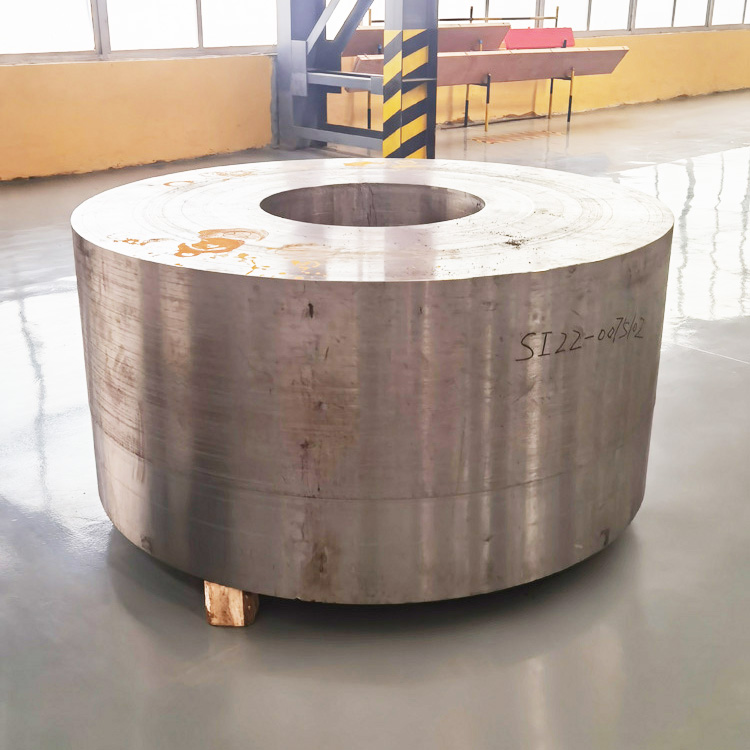
Hot work die steel is essential for tools and dies operating under high temperature and stress. Understanding the different types helps manufacturers select the best steel for their specific applications. Hot work steels are mainly classified based on their principal alloying elements, which influence their properties such as hardness, toughness, and heat resistance. The three primary categories are chromium-based, tungsten-based, and molybdenum-based hot work die steels. Additionally, specialty and modified grades offer tailored properties for unique manufacturing needs.
Chromium hot work steels, often designated as H10 through H19 in the AISI system, are the most commonly used hot work steels. These steels typically contain:
Carbon: 0.35–0.40%
Chromium: Around 4–5%
Molybdenum and Vanadium: Present in varying amounts depending on the grade
Chromium enhances wear resistance and toughness, while molybdenum and vanadium improve high-temperature strength and carbide formation. These steels are known for:
Excellent toughness and ductility at elevated temperatures
Good resistance to thermal fatigue and heat checking
Air-hardening ability, allowing deep section hardening with minimal distortion
Grades like AISI H13 (DIN 1.2344, JIS SKD61) are widely favored due to their balanced properties, making them suitable for extrusion dies, forging dies, and die casting molds.
Tungsten hot work steels (grades H21 to H26) contain significant tungsten content, often between 9% and 18%, combined with chromium and sometimes vanadium. Tungsten contributes to:
Superior red hardness (retaining hardness at very high temperatures)
Enhanced wear resistance under severe thermal conditions
However, these steels tend to be more brittle than chromium-based steels, requiring careful heat treatment and application. They are typically used in:
Hot rolling and forging tools
Applications where extreme heat resistance is crucial
One limitation is that tungsten steels are generally not suited for water cooling during service due to their brittleness.
Molybdenum hot work steels, such as grades H41 and H42, blend molybdenum with chromium, vanadium, and sometimes tungsten. These steels offer:
Excellent resistance to heat checking caused by thermal cycling
Balanced toughness and wear resistance at elevated temperatures
Greater durability against thermal fatigue compared to tungsten steels
Molybdenum steels require precise heat treatment to prevent decarburization but excel in demanding applications like die casting and forging, where thermal shock resistance is vital.
Beyond the traditional categories, manufacturers produce specialty hot work steels with modified compositions to meet specific challenges. Examples include:
Electro Slag Remelted (ESR) grades for improved cleanliness and toughness
Powder metallurgy steels offering enhanced wear resistance and toughness
Custom alloy blends designed for superior thermal conductivity or corrosion resistance
These specialty grades cater to advanced manufacturing sectors such as aerospace, automotive, and energy, where tool life and performance are critical.
Tip: When selecting hot work die steel, consider the balance between toughness and red hardness required for your application; chromium-based steels like H13 offer versatility, while tungsten and molybdenum grades provide enhanced heat resistance for more extreme conditions.
Hot work die steel undergoes specialized manufacturing and heat treatment processes to achieve the durability, toughness, and heat resistance essential for high-temperature industrial applications. Proper processing ensures the steel can withstand thermal cycling, wear, and mechanical stresses typical in forging, extrusion, and die casting.
The production of hot work tool steel typically begins with melting and casting. Steelmakers melt iron and alloying elements like chromium, molybdenum, and vanadium in electric arc furnaces. The molten steel is then cast into ingots or billets.
Following casting, the steel is shaped through forging or rolling:
Forging involves heating the steel and applying compressive forces to refine its grain structure, enhancing toughness and strength.
Rolling reduces the cross-section and improves uniformity, producing plates or bars for tooling.
These methods help eliminate internal defects and improve the steel’s mechanical properties, preparing it for subsequent heat treatment.
Before final heat treatment, hot work die steel often undergoes annealing or normalizing to relieve internal stresses and improve machinability:
Annealing heats the steel to a specific temperature, then cools it slowly, softening the material and refining its microstructure.
Normalizing heats the steel to a higher temperature followed by air cooling, which refines grain size and enhances uniformity.
Both processes make the steel easier to machine and shape while setting the stage for optimal hardness and toughness after hardening.
Austenitizing is a critical heat treatment step where steel is heated above its critical temperature (typically between 1020°C and 1050°C for grades like H13). This transforms the microstructure into austenite, dissolving carbon and alloy carbides.
Immediately after, the steel is quenched to lock in a hard martensitic structure:
Quenching media vary by grade and application and include oil, air, or salt baths.
Oil quenching is common for hot work steels, balancing hardness and reducing cracking risk.
Air quenching suits air-hardening grades, minimizing distortion.
Quenching rapidly cools the steel, increasing hardness but also introducing brittleness, which tempering will address.
Tempering follows quenching to reduce brittleness while maintaining strength. The steel is reheated to moderate temperatures (typically 500°C to 600°C for hot work steels) and held for a specified time.
This process:
Relieves internal stresses.
Improves toughness and thermal fatigue resistance.
Stabilizes hardness, often maintaining 50-60 HRC in steels like H13.
Multiple tempering cycles may be used to achieve the desired balance between hardness and ductility.
To further enhance performance, advanced treatments can be applied:
Cryogenic treatment cools steel to very low temperatures (around -196°C) to transform retained austenite into martensite, increasing wear resistance and dimensional stability.
Surface hardening methods like nitriding or carburizing create a hard outer layer, improving wear resistance without compromising the tough core.
These techniques extend tool life, especially in demanding hot work environments.
Tip: When heat treating hot work die steel such as H13, carefully control austenitizing temperatures and quenching rates to minimize distortion and cracking, ensuring optimal hardness and toughness for high-temperature applications.
Hot work die steel plays a vital role in manufacturing processes that involve high temperatures and intense mechanical stress. Its unique properties, such as excellent heat resistance, toughness, and wear resistance, make it the material of choice for a variety of demanding applications.
In die casting, molten metal is injected into molds at high temperatures and pressures. Hot work die steel, especially grades like hot die steel H13, withstands these harsh conditions without losing hardness or toughness. Its thermal fatigue resistance prevents cracking from repeated heating and cooling cycles. Similarly, extrusion dies made from hot work tool steel maintain dimensional stability and resist deformation, ensuring consistent product quality.
Forging and stamping involve shaping metal at elevated temperatures. Tools used in these processes must endure thermal shocks and mechanical impacts. Hot work die steel’s high toughness and thermal shock resistance make it ideal for forging dies and stamping tools. For example, AISI H13 hot work steel is widely used because it balances wear resistance with the ability to absorb impact without cracking.
Cutting and shearing at high temperatures require materials that retain hardness and resist wear. Hot work die steel’s composition, rich in chromium and vanadium carbides, provides exceptional wear resistance. This ensures long tool life and reduces downtime in operations like hot shearing of steel sheets or bars.
Some plastics require molding at elevated temperatures. Hot work tool steel can withstand these conditions, maintaining surface finish and dimensional accuracy. Its good machinability after proper heat treatment allows manufacturers to produce intricate mold designs suited for high-temperature plastic molding.
Industries such as aerospace and automotive rely on hot work die steel for manufacturing components exposed to high heat and stress. Hot work steels are used to make dies for forging complex parts like turbine blades, engine components, and high-strength automotive parts. In the energy sector, these steels support tooling for power generation equipment, including turbine blade dies and extrusion tools for pipes and rods.
Tip: When choosing hot work die steel for manufacturing applications, match the steel grade to the specific thermal and mechanical demands of the process to maximize tool life and performance.
Choosing the right hot work die steel is critical to ensure your tools perform well and last long in demanding manufacturing environments. Several factors come into play, including operating temperature, wear resistance, machinability, cost, and supplier reliability.
The first step is to understand the temperature range your tooling will face. Hot work die steels are designed to maintain hardness and toughness at elevated temperatures, typically between 480°C and 760°C (900°F to 1400°F). However, the frequency and severity of thermal cycling—repeated heating and cooling—also affect steel selection. For example:
Moderate temperatures with frequent cycling: Chromium-based steels like AISI H13 offer a good balance of toughness and thermal fatigue resistance.
Higher temperatures or severe thermal shock: Tungsten or molybdenum-based steels may be better suited due to superior red hardness and heat checking resistance.
Matching the steel grade to your thermal environment helps prevent premature tool failure caused by cracking or softening.
Wear resistance protects tools from abrasion and erosion caused by contact with hot metals or abrasive materials. Toughness is equally important to absorb impacts without cracking. Consider:
High wear, moderate impact: Grades with high chromium and vanadium content, such as H13, provide excellent wear resistance.
High impact or shock loads: Specialty modified grades or steels with enhanced toughness may be necessary.
Understanding the dominant wear mechanism and mechanical stresses in your process ensures the selected steel will withstand operational demands.
Some hot work die steels are easier to machine and fabricate than others. For instance, H13 steel has moderate machinability, allowing for complex tooling shapes. Tungsten-based steels tend to be more brittle and challenging to machine. Consider:
Complex or intricate tooling: Choose steels with better machinability to reduce manufacturing time and cost.
Simple shapes or large runs: More wear-resistant but harder-to-machine steels may be justified.
Balancing machinability with performance requirements helps optimize production efficiency.
Higher alloy content and specialized processing increase the cost of hot work die steels. While premium grades offer superior wear resistance and toughness, they may not always justify the expense. Consider:
Budget constraints: Select steels that meet minimum performance needs without excess cost.
Critical tooling: Invest in higher-grade steels to minimize downtime and replacement costs.
A cost-benefit analysis aligned with production goals ensures smart material choices.
Reliable sourcing is essential to guarantee consistent steel quality. Look for manufacturers offering:
Certified material meeting standards such as AISI, DIN, or JIS.
Traceability and quality assurance documentation.
Technical support for steel selection and heat treatment advice.
Working with reputable hot work tool steel manufacturers reduces risks related to material defects or inconsistent properties.
Tip: When selecting hot work die steel, prioritize matching the steel grade to your specific operating temperature and thermal cycling conditions to maximize tool life and performance.
Maintaining hot work die steel tools properly is essential to extend their lifespan and ensure consistent performance. These tools face extreme thermal cycling, wear, and mechanical stresses, so addressing common failure modes and applying the right care techniques is crucial.
Heat checking is a common form of surface cracking caused by repeated heating and cooling cycles. It occurs when the surface expands and contracts faster than the core, creating tensile stresses that lead to micro-cracks.
To prevent heat checking and thermal cracking:
Control operating temperatures: Avoid exceeding the recommended maximum temperature for the steel grade, typically around 540°C for steels like H13.
Use proper cooling: Controlled cooling rates during operation and after use reduce thermal shock.
Apply surface treatments: Coatings like nitriding or PVD reduce surface stress and improve resistance.
Design for thermal expansion: Tool designs that accommodate expansion reduce stress concentrations.
Regular inspection for early signs of heat checking allows timely intervention before cracks propagate.
Surface treatments enhance wear resistance and protect against oxidation and corrosion. Common options include:
Nitriding: Introduces nitrogen to form a hard, wear-resistant surface layer without quenching.
Carburizing: Adds carbon to the surface, increasing hardness and wear resistance.
PVD and CVD coatings: Thin films like TiN or CrN reduce friction and improve hardness.
Oxide coatings: Provide corrosion resistance and reduce heat transfer.
These treatments prolong tool life by minimizing surface degradation and thermal fatigue.
Careful handling and storage prevent mechanical damage and corrosion:
Avoid dropping or impacting tools: Mechanical shocks can cause cracks or deformation.
Store in dry, temperature-controlled environments: Prevents rust and thermal distortion.
Use protective covers or coatings: Inhibits oxidation during downtime.
Clean tools after use: Removes residues that can promote corrosion or wear.
Implementing standardized handling procedures reduces accidental damage.
Even with good maintenance, tools will eventually require repair. Effective reconditioning methods include:
Grinding and polishing: Removes surface cracks and restores dimensional accuracy.
Welding and brazing: Repairs deeper cracks or worn areas, followed by heat treatment to restore properties.
Heat treatment: Re-hardens and tempers repaired tools to regain toughness and hardness.
Cryogenic treatment: Applied post-repair to improve dimensional stability and wear resistance.
Choosing the right repair approach depends on the extent of damage and tool criticality.
Tip: Regularly inspect hot work die steel tools for early heat checking and apply surface treatments like nitriding to significantly extend tool life and reduce costly downtime.
The field of hot work die steel is evolving rapidly, driven by the need for materials that last longer and perform better under extreme conditions. Manufacturers and researchers are focusing on innovations that improve heat resistance, toughness, and cost efficiency while addressing environmental concerns.
New alloys are being engineered to push the boundaries of hot work steel performance. These next-generation steels often feature optimized combinations of chromium, molybdenum, vanadium, and other elements to enhance red hardness and thermal fatigue resistance. Some innovative grades also incorporate microalloying elements that refine grain structure, boosting toughness without sacrificing wear resistance. This results in steels that can endure higher temperatures and more severe thermal cycling, extending tool life in demanding applications like die casting and forging.
Powder metallurgy (PM) is revolutionizing the production of hot work tool steels. PM steels have a uniform microstructure with finely dispersed carbides, which significantly improves toughness and wear resistance. This technology allows for the creation of complex geometries and near-net shapes, reducing machining time and material waste.
Additive manufacturing (AM), or 3D printing, is another breakthrough. AM enables the production of customized hot work tooling with intricate cooling channels and optimized internal structures. Combining AM with PM powders offers the potential for tailored properties and rapid prototyping, accelerating development cycles and reducing costs.
Heat treatment remains critical for unlocking the full potential of hot work steels. Advanced techniques such as controlled atmosphere heat treatment and optimized tempering cycles improve hardness consistency and reduce distortion. Cryogenic treatment is gaining popularity as it converts retained austenite to martensite, enhancing wear resistance and dimensional stability.
Surface engineering methods, including nitriding and physical vapor deposition (PVD) coatings, are also advancing. These treatments create hard, wear-resistant surfaces while preserving the steel’s core toughness, significantly extending tool service life.
Sustainability is becoming a key driver in hot work steel innovation. Manufacturers are developing alloys that require less energy-intensive processing or enable longer tool life, reducing waste and resource consumption. Recycling strategies for tool steels are improving, allowing for the recovery and reuse of high-value alloying elements.
Cost efficiency is addressed by balancing alloy content and processing complexity. New steels aim to deliver superior performance at competitive prices, helping manufacturers reduce downtime and tooling expenses.
Tip: Embrace powder metallurgy and additive manufacturing technologies to produce hot work die steel tools with superior properties and complex designs, enhancing tool performance and reducing production costs.
Hot work tool steel offers exceptional heat resistance, toughness, and wear durability for high-temperature manufacturing. Proper selection and heat treatment maximize tool life and performance. Manufacturers should match steel grades to specific thermal and mechanical demands for best results. Advanced processes like powder metallurgy and surface treatments enhance tool quality and longevity. Choosing reliable suppliers ensures consistent steel quality and technical support. For superior hot work die steel solutions, consider the value and expertise provided by ZHONGYUETONG.
A: Hot work die steel is a type of tool steel designed to maintain hardness, toughness, and wear resistance at elevated temperatures, typically between 480°C and 760°C. Unlike cold work steel, which is used at room temperature and loses hardness when heated, hot work die steel withstands thermal cycling and heat checking, making it ideal for high-temperature tooling applications.
A: Hot work die steel types include chromium-based (e.g., AISI H13), tungsten-based, and molybdenum-based steels. Grades like H13 are popular for their balanced toughness and heat resistance, while tungsten and molybdenum grades offer superior red hardness and thermal fatigue resistance for more extreme conditions.
A: Heat treatment processes such as austenitizing, quenching, and tempering optimize hot work die steel properties by increasing hardness and toughness while reducing brittleness. Advanced treatments like cryogenic processing and surface hardening further enhance wear resistance and dimensional stability.
A: Hot work die steel is widely used in die casting, extrusion dies, hot forging, stamping tools, and molds for high-temperature plastic processing. Its excellent thermal fatigue resistance and toughness make it essential for aerospace, automotive, and energy sector tooling.
A: Selection depends on operating temperature, thermal cycling frequency, wear and impact resistance needs, machinability, and cost. For moderate temperatures and frequent cycling, chromium-based steels like H13 are suitable, while tungsten or molybdenum grades fit higher temperature or severe thermal shock applications.
A: Preventing heat checking through controlled operating temperatures, proper cooling, and surface treatments like nitriding helps extend tool life. Regular inspection, careful handling, and timely repair or reconditioning also maintain performance and reduce downtime.


