


close
Choose Your Site
Global
Social Media
Views: 0 Author: Site Editor Publish Time: 2025-11-14 Origin: Site


Ever wondered what makes manufacturing tools last longer? Die Steel is the secret behind durable, high-performance dies. Unlike general tool steel, die steel is specially designed for extreme conditions.
In this post, you’ll learn what die steel is, why it’s vital in manufacturing, and how it differs from other steels. We’ll also explore its history and industry importance.
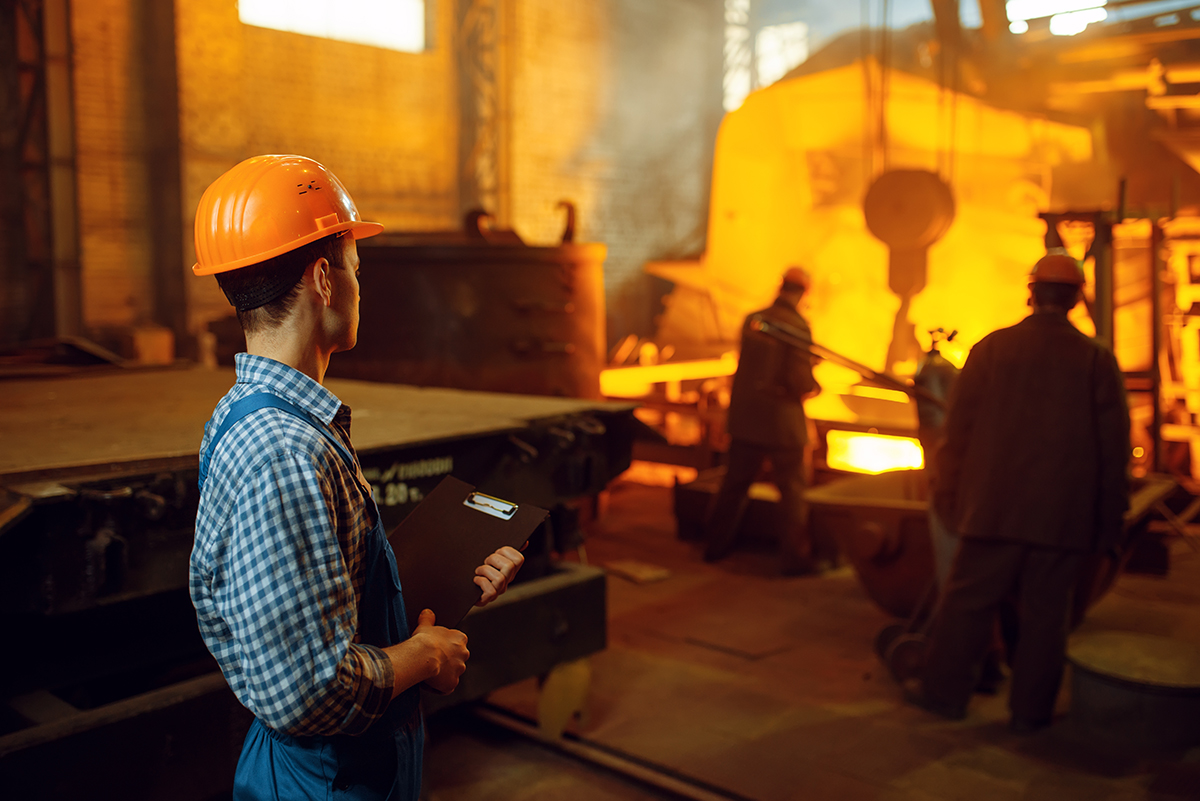
Die steel is a specialized tool steel designed for high durability and performance. Its chemical makeup typically includes carbon, chromium, molybdenum, and vanadium. Carbon boosts hardness and wear resistance, while chromium improves corrosion resistance and hardness retention at elevated temperatures. Molybdenum and vanadium refine the grain structure, enhancing toughness and strength. These alloying elements create a balance, making die steel ideal for demanding applications.
Die steel exhibits high hardness, often reaching Rockwell C hardness values between 58 and 65, depending on the grade and heat treatment. This hardness ensures excellent wear resistance, extending tool life. Despite its hardness, die steel maintains good toughness, allowing it to absorb impact without cracking. Tensile strength typically ranges from 800 to 1200 MPa, ensuring the steel withstands heavy mechanical loads during forming and stamping.
A critical feature of die steel is its ability to maintain hardness at elevated temperatures. Grades like die steel H13 can retain hardness up to 500°C (932°F), making them suitable for hot work applications such as forging and die casting. This heat resistance prevents softening during operation, preserving dimensional stability and tool performance.
Die steel offers outstanding wear resistance due to its high carbon and chromium content, which form hard carbides within the steel matrix. This characteristic enables dies to endure abrasive and adhesive wear during repetitive operations. While not as corrosion-resistant as stainless steel, die steel grades like P20 provide moderate corrosion resistance, extending service life in less aggressive environments.
Heat treatment processes such as annealing, hardening, and tempering are vital for optimizing die steel properties. Annealing improves machinability by reducing hardness, while hardening increases strength and wear resistance through controlled heating and quenching. Tempering balances hardness and toughness, alleviating brittleness. Proper heat treatment ensures the die steel achieves the desired mechanical properties for specific applications.
Die steel possesses high compressive strength, often exceeding 1000 MPa, allowing it to withstand intense pressures during metal forming. Additionally, the steel maintains dimensional stability under thermal and mechanical stress, crucial for precision tooling where tight tolerances are required.
Machining die steel can be challenging due to its hardness. However, selecting appropriate grades and annealing before machining improves workability. Using carbide tooling and controlled cutting speeds helps achieve desired finishes. Welding die steel is possible but requires preheating and post-weld heat treatment to prevent cracking. Grades like H13 exhibit better weldability compared to high carbon-chromium steels such as D2.
Tip: Always consider the specific die steel grade’s heat treatment requirements and machinability before fabrication to optimize tool performance and longevity.
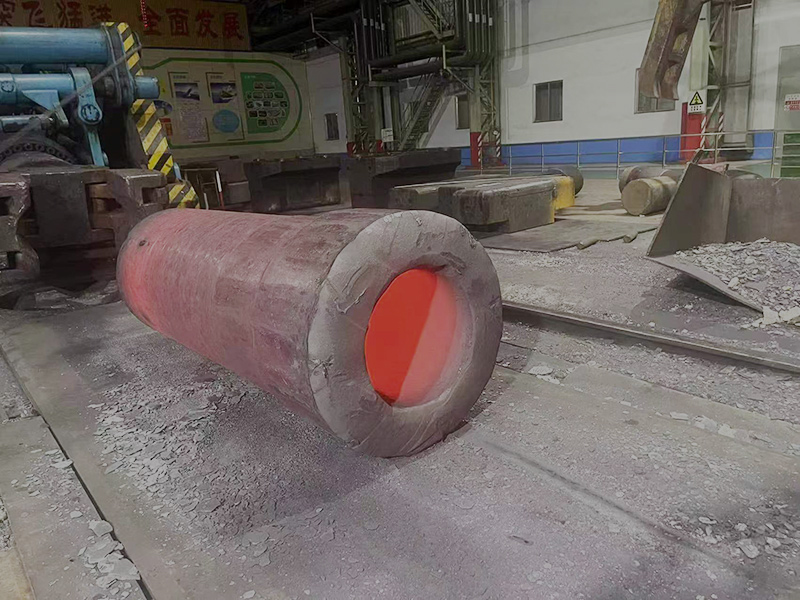
Cold work die steels are designed for applications performed at or near room temperature. They excel in hardness and wear resistance, ideal for cutting, forming, and shaping metals without heat. Common grades include:
D2 Die Steel: High carbon and chromium content provide excellent wear resistance and hardness, making it a top choice for blanking and forming dies. However, it is less tough and can be brittle.
A2 Die Steel: Offers a balance between toughness and wear resistance. Its moderate carbon content improves impact resistance, suitable for tools requiring dimensional stability.
S7 Die Steel: Known for high toughness and shock resistance, perfect for tools exposed to sudden impacts, such as punches and chisels.
These steels maintain dimensional stability and resist deformation, ensuring precision in cold working operations.
Hot work die steels withstand elevated temperatures during processes like forging, extrusion, and die casting. They retain hardness and toughness at high heat, preventing softening and thermal fatigue. Popular hot work grades include:
H13 Die Steel: The most widely used hot work steel, H13 combines chromium, molybdenum, and vanadium to offer excellent heat resistance, toughness, and wear resistance. It suits die casting and extrusion dies.
H11 and H21: Variants with specific alloying elements tailored for thermal shock resistance and red hardness, respectively. H11 is great for hot forging, while H21 excels in high-temperature extrusion.
These steels resist thermal cracking and maintain strength up to 500°C (932°F) or more, making them reliable for continuous hot working.
Plastic mold steels focus on machinability, polishability, and surface finish. They often have lower carbon content but include elements like chromium and molybdenum for moderate hardness and corrosion resistance. Common grades:
P20 Steel: A versatile mold steel with good machinability and polishability. It offers moderate hardness and is widely used for injection molding.
NAK80 Steel: Known for excellent machinability and high surface hardness, it produces molds with superior surface finish and dimensional accuracy.
These grades ensure molds can withstand repeated thermal cycling and mechanical stress during plastic injection molding.
Specialty die steels are developed for unique demands such as improved toughness, wear resistance, or corrosion resistance. Examples include:
Powder Metallurgy (PM) Steels: Offer uniform carbide distribution, enhancing toughness and wear resistance. They are ideal for complex dies requiring high performance.
Shock-Resistant Steels (e.g., S7 variants): Designed for high-impact applications, balancing wear resistance and toughness.
Precipitation-Hardening Steels: Used where heat treatment can enhance fatigue resistance and dimensional stability.
These specialty steels often come at a premium price but provide longer tool life and better performance.
| Grade | Type | Key Features | Typical Hardness (HRC) | Common Applications |
|---|---|---|---|---|
| D2 | Cold Work | High wear resistance, less tough | 58–62 | Blanking dies, cutting tools |
| A2 | Cold Work | Balanced toughness and wear resistance | 56–60 | Forming dies, punches |
| S7 | Cold Work | High impact toughness | 52–58 | Shock-resistant tools, punches |
| H13 | Hot Work | Heat resistant, good toughness | 48–52 | Hot forging, die casting |
| P20 | Plastic Mold | Good machinability, moderate hardness | 28–34 (pre-hardened) | Plastic injection molds |
| NAK80 | Plastic Mold | Excellent machinability and polishability | 38–44 | Precision plastic molds |
Die steel grades vary by region but often have equivalents across standards:
| Standard | D2 Equivalent | A2 Equivalent | H13 Equivalent | P20 Equivalent | NAK80 Equivalent |
|---|---|---|---|---|---|
| AISI | D2 | A2 | H13 | P20 | NAK80 |
| DIN | 1.2379 | 1.2363 | 1.2344 | 1.2311 | 1.2738 |
| JIS | SKD11 | SKD2 | SKD61 | SKD61 | NA |
| ISO | ISO 4957 1.2379 | ISO 4957 |
Choosing the correct die steel material is crucial for maximizing tool life and performance. Several factors influence this decision, including the operating environment, mechanical demands, and cost considerations. Understanding these factors helps you select the ideal die steel grade tailored to your specific application.
The first step in selecting die steel involves analyzing the working conditions. Consider the type of operation—whether it is cold work, hot work, or plastic molding. Each process demands different properties such as wear resistance, toughness, or heat resistance. Additionally, evaluate the expected load, frequency of use, and the type of material being formed or cut.
Temperature plays a vital role in die steel performance. For cold work applications like stamping or blanking, grades such as D2 die steel or A2 are preferred due to their high hardness and wear resistance at ambient temperatures. In contrast, hot work die steel grades like H13 are designed to maintain hardness and toughness at elevated temperatures, often up to 500°C (932°F), making them suitable for forging and die casting.
Wear resistance and toughness often have an inverse relationship. High wear resistance increases hardness but can reduce toughness, making the die more brittle. For example, D2 die steel offers excellent wear resistance but lower toughness, which may lead to cracking under impact. Conversely, S7 die steel provides superior toughness but less wear resistance. Selecting the right balance depends on whether the die will face abrasive wear or impact loading.
Applications involving sudden shocks or high-impact forces require die steel with high impact resistance. Grades like S7 or specialized shock-resistant cold work die steels are ideal here. These steels absorb energy without fracturing, extending die life in demanding environments.
For tooling requiring tight tolerances and minimal distortion, dimensional stability is key. Air-hardening die steels such as A2 and P20 maintain shape during heat treatment and use, ensuring precision. This is especially important in plastic mold die steel applications where surface finish and accuracy are critical.
While premium die steel grades offer superior performance, they come at a higher die steel price. Balancing budget constraints with performance needs is essential. Common grades like D2 and H13 offer a good compromise between cost and properties. Also, consider die steel material price fluctuations and availability when planning procurement.
Given the complexity of die steel properties and application demands, collaborating with material experts or suppliers can optimize selection. They provide insights on die steel grades, heat treatment processes, and fabrication considerations like machinability and weldability. This partnership helps avoid costly mistakes and ensures long-term die performance.
Tip: Always match die steel grades to your application's temperature and mechanical demands to optimize tool life and reduce downtime.
Die steel plays a vital role in many manufacturing sectors, thanks to its unique combination of hardness, toughness, and heat resistance. Its versatility allows it to meet the demanding requirements of various industrial processes. Let’s explore the key applications where die steel material is indispensable.
In metal stamping, die steel is used to create dies that cut, shape, or form metal sheets into precise components. Automotive parts, appliance housings, and electronic enclosures often rely on dies made from cold work die steel grades like D2 and A2. These steels provide excellent wear resistance and dimensional stability, ensuring consistent part quality over long production runs.
Plastic mold die steel grades such as P20 and NAK80 are favored for injection molding tools. They offer good machinability and polishability, crucial for producing smooth mold surfaces. These dies withstand repeated thermal cycling and mechanical stress, maintaining dimensional accuracy for high-quality plastic parts in consumer goods and packaging industries.
Hot work die steel grades like H13 are widely used in die-casting molds for aluminum, zinc, and magnesium alloys. These steels retain hardness and toughness at elevated temperatures, resisting thermal fatigue and wear caused by molten metals. This durability extends mold life and improves casting precision in aerospace and automotive manufacturing.
Forging dies require die steel that can endure extreme mechanical loads and thermal cycling. Grades such as H11 and H13 provide the toughness and heat resistance needed for shaping high-strength alloys used in gears, shafts, and structural components. The high compressive strength of these steels ensures reliable performance under repeated forging impacts.
Extrusion processes use hot work die steel to form metal rods, tubes, and profiles. The dies must resist abrasive wear and maintain shape under high temperatures. H13 and similar grades are common choices, offering a balance of wear resistance and toughness. They help produce consistent, high-quality extruded products in construction and manufacturing industries.
In energy production and aerospace, tooling often faces harsh environments with elevated temperatures and corrosive conditions. Specialty die steels with enhanced heat and corrosion resistance are essential here. They maintain mechanical properties during prolonged exposure to heat, ensuring the integrity of turbine blades, engine components, and heat exchangers.
Proper maintenance of die steel tools, including regular inspection and timely heat treatment, extends their service life. Using the right die steel grade for the application minimizes downtime and tooling costs. Additionally, understanding die steel material price and availability helps manufacturers plan for replacements and upgrades efficiently.
Tip: Select die steel grades based on the specific operating temperature and mechanical stresses of your application to maximize tool life and reduce production costs.
Heat treatment is a crucial step in optimizing die steel material properties. It involves controlled heating and cooling to tailor hardness, toughness, and wear resistance. Proper heat treatment ensures that die tool steel performs well under demanding conditions, such as high mechanical loads and elevated temperatures.
Annealing softens die steel by heating it to around 600–700°C (1112–1292°F) and cooling slowly, usually in air or a furnace. This process reduces hardness, making machining easier and minimizing tool wear during fabrication. Annealed die steel typically reaches a hardness of about 200–230 HB, which is ideal for shaping and cutting before final hardening.
Hardening involves heating die steel to its austenitizing temperature, generally between 800°C and 1050°C (1472–1922°F), depending on the grade. For example, die steel H13 is usually hardened at about 1020–1040°C (1868–1904°F). Holding the steel at this temperature dissolves carbides and forms austenite, which transforms into martensite upon quenching, increasing hardness significantly.
Quenching rapidly cools the steel from the hardening temperature to lock in the martensitic structure. Common quenching media include oil, water, air, or molten salt baths. The choice depends on the die steel grade and section size. For instance, H13 can be air-cooled or oil-quenched, which reduces distortion and cracking risks. Improper quenching may cause warping or residual stresses, leading to premature die failure.
After quenching, die steel is typically very hard but brittle. Tempering reheats the steel to 150–600°C (302–1112°F) to relieve internal stresses and improve toughness. Multiple tempering cycles are common to achieve the desired balance. For hot work steels like H13, tempering at around 540–650°C (1004–1202°F) enhances heat resistance and impact toughness.
Some specialty die steels undergo precipitation hardening, where elements like copper or aluminum form fine particles during tempering. These precipitates strengthen the steel matrix, improving fatigue resistance and dimensional stability. This process is especially valuable in plastic mold die steel grades that face cyclic stresses.
Heat treatment failures often result from incorrect temperature control, rapid cooling, or inadequate tempering. Common issues include cracking, distortion, and uneven hardness. Using precise temperature monitoring and following recommended heating and cooling rates for specific die steel grades help prevent these problems.
The heat treatment process directly influences die steel properties such as wear resistance, toughness, and thermal stability. Properly treated die steel ensures longer tool life, reduced maintenance, and consistent production quality. It also enhances resistance to thermal fatigue and mechanical shock, critical for demanding applications like forging and die casting.
Tip: Always follow grade-specific heat treatment guidelines and use controlled heating and cooling cycles to maximize die steel performance and lifespan.
Die steel continues to evolve, driven by the need for enhanced performance, longer tool life, and cost efficiency. Recent innovations focus on refining microstructures, improving surface properties, and developing new alloys that meet the demanding conditions of modern manufacturing.
Powder metallurgy (PM) has revolutionized die steel production. This process involves atomizing molten steel into fine powders, which are then compacted and sintered. The result is a steel with a very uniform microstructure and fine carbide distribution. PM die steels exhibit superior toughness and wear resistance compared to conventionally cast steels. The refined microstructure reduces the risk of defects like segregation and enhances dimensional stability during heat treatment. Grades produced by PM, such as PM D2 and PM S7, offer consistent performance and longer die life, especially in high-wear applications.
Applying advanced coatings to die steel surfaces significantly boosts their durability. Techniques like Physical Vapor Deposition (PVD) and Chemical Vapor Deposition (CVD) deposit thin, hard layers such as titanium nitride (TiN), chromium nitride (CrN), or diamond-like carbon (DLC). These coatings reduce friction, improve wear resistance, and provide a barrier against corrosion. For instance, coating D2 die steel can mitigate adhesive wear and extend tool life in forming stainless steel components. Coatings also enable the use of lower-cost base steels by enhancing their surface properties.
Researchers and manufacturers are developing new die steel alloys tailored for specific challenges. These include steels with enhanced hot hardness, improved thermal fatigue resistance, and better machinability. For example, modifications to the classic H13 grade have introduced higher vanadium and molybdenum contents, boosting wear resistance and tempering stability. Other alloys incorporate elements like cobalt to increase red hardness, allowing dies to operate effectively at higher temperatures. These new alloys help meet the needs of industries such as aerospace and automotive, where precision and durability are critical.
Heat treatment remains vital for optimizing die steel properties. Innovations in controlled atmosphere furnaces, vacuum heat treatment, and salt bath quenching have improved process consistency and reduced distortion. Advanced tempering cycles, including multiple tempering stages and cryogenic treatments, enhance toughness and reduce retained austenite. These technologies enable precise control over hardness and toughness balance, extending die service life and reducing maintenance frequency.
Sustainable practices are gaining importance in die steel manufacturing. Powder metallurgy reduces waste and energy consumption compared to traditional casting. Recycling of scrap and use of cleaner melting technologies minimize environmental impact. Furthermore, producing long-lasting die steels reduces the frequency of tool replacement, lowering material consumption and downtime costs. Manufacturers are also exploring alloy designs that use less critical or expensive elements without sacrificing performance, helping control die steel material price.
Tip: Embrace powder metallurgy and advanced coatings to significantly enhance die steel durability and reduce overall tooling costs in high-demand applications.
Selecting the right die steel maximizes efficiency and tool life in various industries. Key properties include hardness, toughness, and heat resistance, with grades tailored for cold work, hot work, and plastic molding. Best practices involve matching steel grades to operating conditions and proper heat treatment. Innovations like powder metallurgy and advanced coatings enhance performance and durability. Partnering with suppliers ensures tailored solutions for specific needs. ZHONGYUETONG offers high-quality die steel products that deliver exceptional value and reliability for demanding applications.
A: Die steel is a specialized tool steel designed for high hardness, toughness, and wear resistance, making it essential for manufacturing durable dies used in stamping, forging, and molding applications.
A: Common die steel grades include D2 for cold work, H13 for hot work, and P20 for plastic molds. Each grade offers specific properties like wear resistance or heat resistance suited to different manufacturing processes.
A: Die steel properties such as hardness, toughness, and heat resistance determine tool life, precision, and ability to withstand mechanical and thermal stresses during operation.
A: Die steel price depends on grade complexity, alloying elements, and processing methods like powder metallurgy. Grades like H13 and D2 have varying costs based on performance and availability.
A: Heat treatment includes annealing, hardening, quenching, and tempering to balance hardness and toughness, ensuring die steel maintains wear resistance and dimensional stability under working conditions.
A: Machining die steel requires annealing and carbide tooling due to hardness; welding is possible with preheating and post-weld heat treatment, especially on grades like H13 which have better weldability.
A: Hot work die steel such as H13 retains hardness and toughness at elevated temperatures up to 500°C, making it suitable for forging and die casting, unlike cold work steels that perform best at room temperature.
Die steel is used to manufacture industrial dies and molds that shape, cut, form, or press materials such as metal, plastic, and rubber. Due to its high hardness, wear resistance, and ability to withstand impact and high temperatures, die steel is widely applied in:
Hot forging dies
Cold forming dies
Plastic injection molds
Die-casting molds
Punching and stamping tools
Its durability makes it essential in automotive, aerospace, machinery, and tooling industries.
Die steels are generally classified into three major categories:
Cold Work Die Steel
Used for cutting, stamping, punching, shearing
Grades: D2, D3, O1, Cr12MoV
Hot Work Die Steel
Used for forging, die-casting, extrusion under high temperature
Grades: H13, H11, H21
Plastic Mold Steel
Used in plastic injection and molding
Grades: P20, S136, 718H
Each type is engineered to handle different stress, temperature, and wear conditions.
Die steel is made from alloy steel with carefully controlled chemical compositions to enhance hardness, toughness, and heat resistance. Typical alloying elements include:
Carbon (C) for hardness
Chromium (Cr) for wear resistance
Molybdenum (Mo) for heat stability
Vanadium (V) for toughness & grain refinement
Tungsten (W) for hot hardness
Different die steel grades vary in composition to match specific molding or forming applications.
Die steel hardness depends on the grade and heat-treatment process:
| Type | Typical Hardness (HRC) |
|---|---|
| Cold work die steel (e.g., D2) | 58–62 HRC |
| Hot work die steel (e.g., H13) | 44–52 HRC |
| Plastic mold steel (e.g., P20) | 28–35 HRC |
Cold work die steels have the highest hardness, while P20 is softer for easy machining.
The word “die” comes from old manufacturing terminology referring to a shaped tool used to cut, form, or stamp materials. A "die" shapes material into a desired form, similar to how a mold shapes plastic.
In metalworking, a die is essential for:
Cutting
Punching
Forming
Extruding
Stamping
Hence, steels used to make these tools are called die steels.
The purpose of a die is to shape or cut materials with precision. Dies are used to:
Stamp sheet metal
Form parts in automotive and aviation industries
Mold plastic components
Punch holes or cut shapes
Create threads, gears, and fasteners
A die ensures consistent, repeatable production with tight tolerances.
Steel cannot be die-cast because its melting point is too high (around 1370–1510°C), which would:
Destroy die-casting molds
Cause extreme wear
Consume excessive energy
Make the process economically unfeasible
Die-casting is suitable for low-melting-point metals such as aluminum, zinc, and magnesium—not steel.
A standard die is typically made of die steel, specifically:
H13 for hot work applications
D2 for cold work punches and cutting
P20 for plastic injection molds
These steels provide hardness, toughness, heat resistance, and wear resistance required in industrial tooling.
Yes. D2 tool steel is prone to chipping due to its extremely high hardness and relatively lower toughness. While D2 offers excellent wear resistance, it is brittle under:
Shock loads
Impact
Poor die alignment
Low-temperature impacts
Proper heat treatment and die design can minimize this risk.
Metals with extremely low ductility cannot be forged, including:
Cast iron
High-carbon tool steels (in hardened state)
Some tungsten alloys
Brittle intermetallic compounds
These materials crack rather than deform during forging.
The hardest steels are:
Tungsten-based high-speed steel (HSS) → up to 70+ HRC
Carbide steels or cemented carbide → technically not steel but up to 90 HRA
High-carbon martensitic tool steels (D2, M2) → 60–65 HRC
For die steel, D2 and M2 are among the hardest commonly used types.
4140 is not classified as tool steel, but it is:
A chromium-molybdenum alloy steel
Very tough and versatile
Used for shafts, gears, and machine parts
Tool steel requires exceptional hardness and wear resistance, which 4140 cannot achieve compared to D2, H13, or O1.
However, 4140 can be used for low-stress dies or forge dies.
4140 steel is significantly harder than 1018 steel.
| Steel Grade | Hardness | Characteristics |
|---|---|---|
| 1018 | 120–150 HB | Mild steel, easy to machine |
| 4140 | 200–250 HB | Alloy steel, stronger & tougher |
4140 can be heat-treated to much higher hardness, while 1018 cannot.
Yes, but welding die steel is difficult and requires:
Preheating
Controlled cooling
Special filler materials
Post-weld heat treatment
Incorrect welding may cause cracking or reduce die life.
H13 and P20 are more weld-friendly than D2.
A metal die is a precision tool used to:
Cut
Punch
Form
Bend
Stamp
Extrude
metal sheets or metal billets into specific shapes.
Metal dies are typically made from die steel (H13, D2, P20) to ensure durability.


