


close
Choose Your Site
Global
Social Media
Views: 0 Author: Site Editor Publish Time: 2025-11-14 Origin: Site


When comparing hot work die steel, understanding global standards is key for selecting the right material. Several major international standards and organizations define and regulate hot work tool steel grades, ensuring consistent quality and performance worldwide.
The most recognized standards come from AISI (American Iron and Steel Institute), DIN (Deutsches Institut für Normung, Germany), and JIS (Japanese Industrial Standards). Each organization categorizes hot work tool steel types based on composition, mechanical properties, and intended applications. For example, AISI’s H13 grade is widely known, while DIN’s 1.2344 is its European equivalent.
Standards specify critical parameters such as chemical composition, hardness range, toughness, and thermal stability. These parameters are essential for hot work tool steel performance comparison. For instance, hardness levels, typically measured in Rockwell C (HRC), must align with usage demands, balancing wear resistance and toughness. Toughness is crucial to resist cracking under thermal cycling.
Cross-referencing steel grades across standards helps in global hot work tool steel comparison. For example:
| AISI (USA) | DIN (Germany) | JIS (Japan) | Typical Use |
|---|---|---|---|
| H13 | 1.2344 | SKD61 | Hot work die casting, forging |
| S7 | 1.2550 | SKT4 | Shock-resistant applications |
Knowing these equivalents assists engineers in selecting the best hot work tool steel for die casting or forging, regardless of origin.
Standards influence material selection by defining minimum performance thresholds, ensuring consistency in heat resistance, wear properties, and mechanical strength. This standardization simplifies hot work tool steel selection criteria globally, allowing manufacturers to compare grades confidently.
Hot work steels must withstand high temperatures and abrasive conditions. Standards define acceptable ranges for red hardness (hardness retention at elevated temperatures) and wear resistance. For example, H13 steel maintains hardness up to approximately 540°C (1000°F), a property detailed in its specifications.
Heat treatment significantly affects hot work die steel properties. Standards include recommended heat treatment processes—normalizing, hardening temperatures, and tempering ranges—to achieve desired hardness and toughness. Proper adherence ensures dimensional stability and optimal performance.
Despite equivalencies, variations in alloying elements and processing can lead to performance differences. For example, a DIN grade might have slightly different carbon or vanadium content than its AISI counterpart, affecting wear resistance or toughness. Additionally, heat treatment practices vary by region, influencing final properties.
Understanding these nuances is vital when comparing hot work tool steel grades internationally to avoid mismatches in application requirements.
Tip: Always verify both chemical composition and heat treatment guidelines when cross-referencing hot work tool steel standards to ensure optimal performance in your specific application.
| Country / Region | Official standards body | Main standard(s) relevant to hot-work tool steels | Scope / Note related to hot-work tool steels |
|---|---|---|---|
| International | ISO (International Organization for Standardization) | ISO 4957:2018 – Tool steels | Global base standard for wrought tool steels; explicitly covers alloy hot-work tool steels alongside cold-work and high-speed tool steels. |
| European Union (CEN members as a whole) | CEN (European Committee for Standardization) | EN ISO 4957:2018 – Tool steels | European adoption of ISO 4957; all CEN member countries are required to give EN ISO 4957 the status of a national standard, so their national tool-steel standards for hot-work are based on this document. |
| Germany | DIN (Deutsches Institut für Normung) | DIN EN ISO 4957:2018 – Werkzeugstähle (Tool steels) | German national implementation of EN ISO 4957; covers unalloyed and alloy cold-work tool steels, warmarbeitsstähle (hot-work tool steels), and high-speed steels. |
| United Kingdom | BSI (British Standards Institution) | BS EN ISO 4957:2018 – Tool steels | UK implementation of EN ISO 4957, identical to ISO 4957:2018; includes the alloy hot-work tool steel group. |
| France | AFNOR (Association Française de Normalisation) | NF EN ISO 4957 – Aciers à outils (Tool steels) | French adoption of EN ISO 4957; the text explicitly lists “aciers à outils alliés pour travail à chaud” (alloy tool steels for hot work). |
| Italy, Spain, and other EU countries | National standards bodies (e.g. UNI, UNE, etc.) | National EN ISO 4957 adoptions | Via CEN rules, these countries adopt EN ISO 4957 unchanged as national standards, so their hot-work tool steel requirements are aligned with ISO 4957. |
| United States | ASTM International (formerly AISI association for designation) | ASTM A681 – Standard Specification for Tool Steels Alloy | Covers chemical, mechanical and physical requirements for wrought alloy tool steels, and classifies them into types (including hot-work tool steels) used for tools, dies and fixtures. |
| Japan | JSA / JISC – Japanese Industrial Standards Committee | JIS G 4404 – Alloy tool steels | National standard for alloy tool steels, based on ISO 4957. It specifies alloy tool steels for cutting tools, impact-resistant tools, cold-working and hot-forming (hot-work) mould steels, including SKD61, SKT4 etc. |
| China (PRC) | SAC / AQSIQ – GB national standards system | GB/T 1299-2014 – Tool and mould steels | National standard for tool and mould steels; scope covers hot-rolled, forged, and cold-drawn tool/mould steels. Classification section differentiates steels for pressure work, including steels for hot pressure working (UHP) and cold pressure working, so hot-work die steels are included. |
| Russia / CIS | GOST (Interstate Council for Standardization, Metrology and Certification) | GOST 5950-2000 – Alloy tool steels | Interstate standard for products made of alloy tool steel (bars, strips, coils, forgings, etc.). Used for specification of tool steels, including hot-work grades (e.g. 5KHNM) with known equivalence to EN hot-work grades such as 55NiCrMoV7 (1.2714). |
| India | BIS (Bureau of Indian Standards) | IS 3748 – Tool and die steels – Specification | National specification for plain-carbon and alloy tool and die steels in the form of bars, blanks, rings, etc., capable of being hardened and tempered for cold-work and hot-working applications. Often aligned/linked with ISO 4957 requirements in recent revisions. |
| South Korea | KATS / KSA – Korean Industrial Standards (KS) | KS D 3753 – Alloy tool steels | Part of the KS D (steel) series. Within KS, tool steels are standardized in separate documents for carbon, high-speed, and alloy tool steels (KS D 3753). Alloy tool steels under this standard include hot-work tool steel grades used for dies and tools. |
| Brazil | ABNT (Associação Brasileira de Normas Técnicas) | ABNT NBR ISO 4957 – Tool steels | Brazilian national adoption of ISO 4957. Brazilian technical literature explicitly references ABNT NBR ISO 4957 as the standard defining classifications and requirements for tool steels, including hot-work tool steels and corresponding heat-treatment procedures. |
| Other Latin-American countries (e.g. Argentina, Mexico, Chile) | National standards bodies (IRAM, NMX/ONNCCE, INN, etc.) | Typically adopt ISO 4957 or EN ISO 4957 as national standards | Many Latin-American steel and tooling suppliers reference ISO 4957/EN ISO 4957 alignment for tool steels, so hot-work tool steels are indirectly standardized via ISO 4957 adoption. (Adoption practice follows the same pattern as with CEN and ABNT.) |
| Multi-regional industry practice | – | AISI / DIN / JIS cross-reference tables (e.g. H13 = 1.2344 = SKD61) | Although not a standard by themselves, many producers and data sheets map hot-work die steels across ASTM/AISI, DIN EN ISO 4957, and JIS G 4404, helping to relate national standards (e.g. H13 ↔ DIN 1.2344 ↔ JIS SKD61) within the framework of the official standards above. |
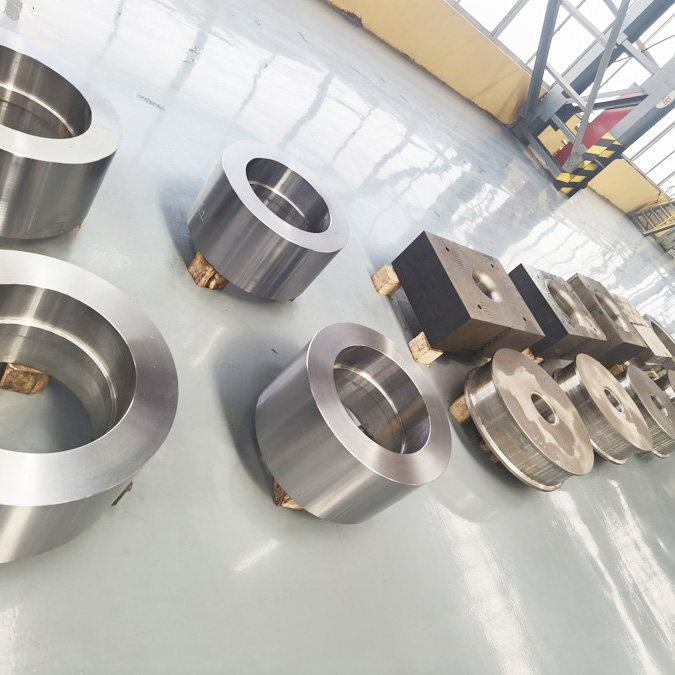
Understanding the chemical composition and mechanical properties of hot work die steel is crucial for effective hot work tool steel comparison and selection. These steels are engineered with specific alloying elements that influence their performance under demanding conditions.
Hot work die steels typically contain carbon, chromium, molybdenum, and vanadium as primary alloying elements. Each plays a vital role:
Carbon (C): Enhances hardness and strength but can reduce toughness if too high.
Chromium (Cr): Improves hardenability, wear resistance, and corrosion resistance.
Molybdenum (Mo): Increases toughness and red hardness, helping the steel retain strength at elevated temperatures.
Vanadium (V): Contributes to wear resistance and refines grain structure, boosting toughness.
These elements form carbides that improve wear resistance and thermal stability, essential for hot work tool steel types used in die casting and forging.
For example, H13 hot work tool steel contains about 0.35–0.45% carbon, 4.75–5.50% chromium, 1.10–1.75% molybdenum, and 0.80–1.20% vanadium. This balanced composition offers excellent toughness and hardness retention at high temperatures, making it one of the best hot work tool steels for die casting.
In contrast, S7 tool steel has slightly higher carbon (0.45–0.55%) and lower chromium (3.10–3.40%), focusing more on shock resistance than thermal stability. This difference highlights the importance of composition in tailoring hot work steel specifications to application needs.
A key consideration in hot work tool steel selection is balancing hardness and toughness. Higher carbon and carbide-forming elements increase hardness and wear resistance but may reduce toughness, leading to brittleness. Conversely, lowering carbon content improves toughness and thermal fatigue resistance but may sacrifice some wear resistance.
Manufacturers must weigh these trade-offs based on the operational environment. For example, extrusion dies require steels with high toughness and thermal stability, while trimming dies prioritize wear resistance.
Thermal stability, especially red hardness, is the ability of hot work die steel to maintain hardness at elevated temperatures. Hot work steels like H13 retain hardness up to approximately 540°C (1000°F), crucial for tools exposed to rapid heating and cooling cycles.
Alloying with molybdenum and vanadium enhances this property. Variants with optimized carbide ratios, such as special grades of 1.2343 steel, demonstrate improved tensile strength and toughness at high temperatures.
Wear resistance depends on the quantity and distribution of carbides formed by chromium, vanadium, and molybdenum. These carbides protect the steel surface from abrasion and erosion during hot work operations.
Fatigue strength, or resistance to crack initiation and propagation under cyclic loads, is enhanced by careful alloying and heat treatment. Steels with balanced compositions avoid premature failure in demanding die casting or forging applications.
Higher alloy content can reduce machinability, requiring specialized tooling and processes. For instance, steels with increased vanadium content are tougher but harder to machine.
Heat treatment parameters must be tailored to the steel’s composition to achieve desired hardness and toughness. Air-hardening grades like A2 and H13 require precise austenitizing and tempering cycles to optimize performance and minimize distortion.
Tip: When comparing hot work tool steel grades, always consider the balance of alloying elements to match hardness, toughness, and thermal stability with your specific application needs for optimal die life and performance.
When selecting hot work die steel, understanding the differences in popular grades is essential for optimal performance. Each grade offers unique properties tailored to specific applications, making hot work tool steel grades comparison a critical step in material selection.
H13 is the most widely used hot work die steel grade globally. It contains approximately 0.35–0.45% carbon, 4.75–5.50% chromium, 1.10–1.75% molybdenum, and 0.80–1.20% vanadium. This balanced alloy composition provides excellent toughness and wear resistance while maintaining hardness at elevated temperatures up to around 540°C (1000°F). Its ability to resist thermal fatigue and maintain dimensional stability makes it ideal for die casting, extrusion dies, forging dies, and hot shear blades. H13’s versatility also extends to some cold work applications where toughness is prioritized over wear resistance.
S7 tool steel is known for its exceptional shock resistance and toughness. With a higher carbon content (0.45–0.55%) and lower chromium (3.10–3.40%) compared to H13, S7 excels in applications involving heavy impact loads rather than prolonged heat exposure. Its composition enhances impact toughness, making it suitable for chisels, punches, riveting dies, and shear blades. While it offers moderate heat resistance, S7 is best used where tools face sudden shocks and impacts rather than continuous high temperatures.
The DIN grade 1.2344 is often regarded as the European equivalent to AISI H13. Both steels share similar chemical compositions and mechanical properties, including chromium, molybdenum, and vanadium content. However, subtle differences in alloying and heat treatment guidelines can influence performance. For example, 1.2344 sometimes features slightly higher molybdenum content, enhancing red hardness and wear resistance. When comparing these grades, it’s important to review hot work steel specifications and heat treatment processes to ensure the best fit for your application.
Several special alloy variants of hot work die steels have emerged, focusing on optimizing toughness, wear resistance, or thermal stability. For instance, variants of 1.2343 with reduced carbon and increased vanadium improve toughness without sacrificing hardness. Others incorporate cobalt to enhance strength at elevated temperatures. These specialized grades are beneficial in industries requiring longer die life and resistance to thermal fatigue, such as aluminum extrusion and high-pressure die casting.
Die Casting Industry: H13 remains the preferred hot work tool steel for die casting due to its excellent thermal fatigue resistance and hardness retention. Its balance of toughness and wear resistance ensures longer die life under cyclic thermal stress.
Forging Industry: Both H13 and its European equivalent 1.2344 are widely used. However, in applications demanding higher toughness to withstand mechanical shocks, S7 or its equivalents are selected.
Plastic Injection Molding: H13 and its variants are common due to their ability to maintain surface finish and resist wear during high-temperature molding cycles.
Heavy Impact Tools: S7’s shock resistance makes it ideal for tools in mining and construction, where impact loads are frequent.
Understanding these distinctions helps manufacturers and engineers make informed decisions when comparing hot work tool steel grades globally.
Tip: When comparing hot die steel grades like H13 and S7, focus on the balance between thermal fatigue resistance and impact toughness to match your application's temperature and load demands effectively.
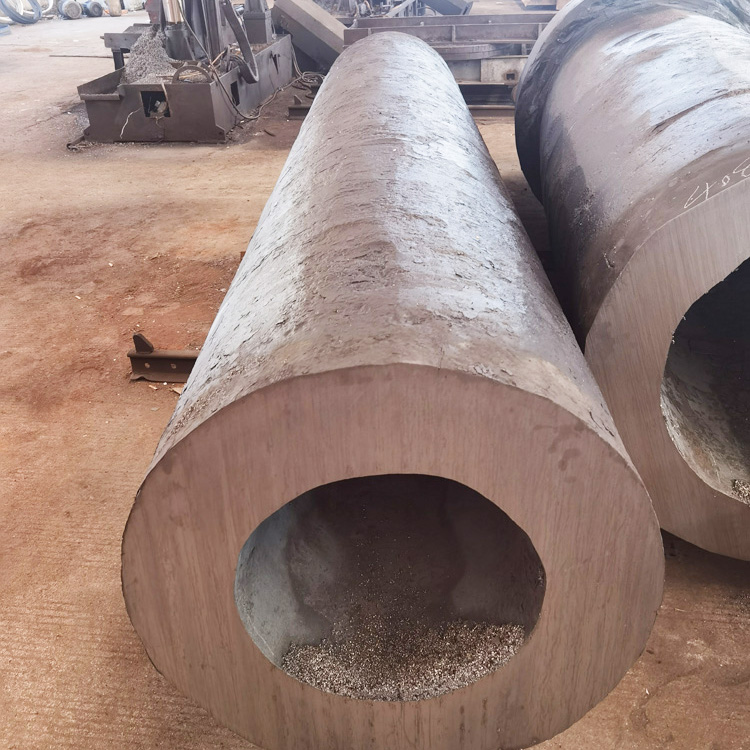
When comparing hot work die steel, understanding performance under high temperature conditions is crucial. Hot work tool steels operate in environments where they face intense heat, thermal cycling, and abrasive wear. These factors heavily influence their selection and performance comparison.
Hot work steels must resist softening and deformation caused by heat. Heat resistance refers to the steel's ability to maintain strength and hardness at elevated temperatures typically ranging from 400°C to 600°C (750°F to 1100°F). Thermal fatigue, on the other hand, is the steel’s capacity to withstand repeated heating and cooling cycles without cracking or losing toughness. Grades like H13 excel here, maintaining structural integrity under rapid temperature changes common in die casting and forging.
Retention of hardness, often called red hardness, is a key property in hot work tool steel performance comparison. It indicates how well the steel keeps its hardness when glowing red-hot. For example, H13 steel typically retains hardness up to about 540°C (1000°F), making it one of the best hot work tool steels for die casting. This retention is largely due to alloying elements like molybdenum and vanadium, which form stable carbides that resist softening.
Wear resistance is vital for tools exposed to abrasive materials and mechanical stress at high temperatures. Hot work steels contain chromium, vanadium, and molybdenum carbides that enhance surface hardness and reduce wear. However, there's a balance to strike—too much hardness can reduce toughness, leading to cracking under thermal fatigue. Selecting the right grade requires analyzing specific application conditions, such as load and temperature.
Heat treatment, especially tempering, significantly affects hot work die steel properties. Tempering at high temperatures improves toughness and reduces brittleness but can lower hardness if overdone. For example, H13 is often tempered between 1000°F and 1200°F (538°C to 649°C) to optimize performance. The number of tempering cycles also matters; multiple cycles can stabilize the microstructure, enhancing thermal fatigue resistance. Proper heat treatment according to hot work steel specifications ensures dimensional stability and consistent hardness.
In die casting, steels like H13 and its equivalents (DIN 1.2344, JIS SKD61) dominate due to their excellent heat resistance and wear properties. They withstand the cyclic thermal shocks of molten metal injection and solidification. For forging, where impact loads are higher, grades such as S7 offer superior shock resistance but have lower red hardness compared to H13. This makes S7 better suited for tools facing sudden mechanical shocks rather than continuous high heat.
Special alloy variants with adjusted carbon and carbide-former ratios, such as certain modified 1.2343 steels, show improved toughness and thermal fatigue resistance. These enhancements extend die life and reduce maintenance in demanding operations.
Tip: When selecting hot work die steel, prioritize grades that maintain hardness and toughness at your operation’s peak temperatures to ensure durability and reduce downtime.
When working with hot work die steel, manufacturing and processing steps significantly influence final performance. Understanding heat treatment, machinability, dimensional stability, and production methods helps optimize tool life and functionality.
Heat treatment is crucial for hot work tool steel properties comparison. Typically, these steels undergo austenitizing, quenching (usually air cooling for grades like H13), and multiple tempering cycles. Proper heat treatment develops the desired hardness, toughness, and thermal stability. For example, H13 is commonly austenitized between 1825°F and 1900°F, then tempered at 1000°F to 1200°F to balance hardness and toughness. Over-tempering can reduce hardness, while under-tempering risks brittleness. Adhering to hot work steel specifications ensures dimensional stability and resistance to thermal fatigue.
Hot work die steels generally have moderate machinability due to their alloying content. Grades like H13, with higher vanadium and molybdenum, can be tougher to machine than simpler grades like O1. Machining in the annealed state is standard to avoid tool wear and distortion. Surface finishing, including grinding and polishing, is often required to achieve tight tolerances and smooth surfaces, especially for die casting applications where surface quality affects casting outcomes. Coatings such as nitriding or PVD can further enhance surface hardness and reduce friction.
Controlling distortion during heat treatment and machining is vital. Air-hardening steels like A2 and H13 exhibit less distortion compared to water or oil-hardening grades. Proper fixturing, controlled heating and cooling rates, and stress-relief processes help maintain dimensional accuracy. Distortion can lead to costly rework or premature die failure, so following heat treatment guidelines and selecting steels with good dimensional stability is essential.
Powder metallurgy (PM) hot work tool steels offer improved homogeneity, toughness, and wear resistance compared to conventionally produced steels. PM steels have fine, evenly distributed carbides, reducing segregation and enhancing performance under thermal cycling. However, PM steels are typically more expensive and may require specialized processing. Conventional steels remain widely used due to cost-effectiveness and sufficient performance in many applications. Choosing between PM and conventional production depends on application demands and budget.
Applying coatings and surface treatments can extend the life of hot work die steels. Techniques like nitriding create a hardened surface layer that improves wear resistance and reduces galling. Physical vapor deposition (PVD) coatings add thin, hard films that lower friction and increase surface hardness. Black oxide coatings provide corrosion resistance and reduce light reflection. These treatments complement the inherent properties of hot work steels, making them suitable for high-volume die casting and forging operations.
Tip: Follow precise heat treatment cycles and consider surface coatings to maximize hot work die steel performance and minimize distortion in demanding manufacturing environments.
Selecting the best hot work die steel requires a careful look at your application’s unique demands. Factors like temperature, load, impact, and wear all influence the ideal steel grade. Understanding hot work tool steel selection criteria ensures you get a die steel that performs reliably and lasts longer.
Start by evaluating the operating temperature. Hot work steels such as H13 maintain hardness up to about 540°C (1000°F), making them excellent for die casting and forging where heat resistance is critical. If your application involves high impact or shock loads, consider steels like S7, which offer superior toughness and shock resistance but lower red hardness.
Load type matters too. Continuous heavy loads demand steels with high fatigue strength and wear resistance, while intermittent or impact loads require steels with higher toughness. For example, extrusion dies benefit from steels balancing thermal stability with toughness, whereas trimming dies prioritize wear resistance.
Wear resistance and toughness often compete in hot work tool steel properties comparison. Higher carbon and carbide-forming elements increase wear resistance but can reduce toughness, leading to brittleness. Conversely, steels with lower carbon content and optimized carbide ratios, like special variants of 1.2343, improve toughness without sacrificing too much hardness.
Choosing the right balance depends on your tool’s exposure to abrasive wear versus mechanical shocks. If your process causes frequent thermal cycling and abrasion, prioritize wear resistance. For tools facing sudden impacts, toughness should take precedence.
While premium hot work die steel grades may have higher upfront costs, their durability reduces downtime and replacement frequency. Lifecycle analysis helps weigh initial expenses against long-term savings. For instance, investing in H13 or its European equivalent 1.2344 often pays off in longer die life for die casting applications.
Lower-cost alternatives might suit less demanding environments but can lead to faster wear or failure under high thermal or mechanical stress. Always factor in maintenance, downtime, and potential scrap costs when comparing hot die steel grade options.
Global hot work tool steel standards allow you to compare equivalent grades across different systems. For example, AISI H13 corresponds to DIN 1.2344 and JIS SKD61. Cross-referencing helps when sourcing materials internationally or switching suppliers.
However, subtle differences in chemical composition or heat treatment guidelines can affect performance. Always review hot work steel specifications carefully to ensure the selected grade meets your application’s thermal and mechanical demands.
Finally, leverage the expertise of metallurgists, tooling engineers, and steel suppliers. They can provide insights into hot work tool steel performance comparison and help tailor material selection to your process conditions.
Many suppliers offer detailed data sheets, heat treatment recommendations, and case studies. Engaging with them early in the design or procurement phase can prevent costly mismatches and improve tool longevity.
Tip: When choosing hot work die steel, match your tool’s temperature and impact demands with the steel’s hardness and toughness balance to maximize performance and lifespan.
Navigating global standards is essential for selecting optimal hot work die steel. Understanding key comparisons helps match steel grades to specific applications. Standards ensure consistent performance in heat resistance, toughness, and wear. Future developments focus on enhancing thermal stability and durability. Manufacturers and engineers should carefully balance hardness and toughness while consulting experts. ZHONGYUETONG offers high-quality hot work die steels designed for superior performance and long service life, providing valuable solutions for demanding industrial needs.
A: Global hot work tool steel standards, such as AISI, DIN, and JIS, define chemical composition, hardness, toughness, and heat treatment guidelines. These international standards enable effective hot work tool steel grades comparison and ensure consistent performance worldwide.
A: Hot work die steel is designed to maintain hardness and toughness at high temperatures (up to ~540°C), while cold work tool steel is optimized for lower temperature applications. Understanding hot work tool steel vs cold work tool steel helps select the best material for thermal fatigue and wear resistance.
A: H13 hot work die steel offers excellent red hardness, thermal fatigue resistance, and wear properties, making it one of the best hot work tool steels for die casting. Its balanced alloying elements ensure durability under cyclic thermal stress.
A: Selection criteria include operating temperature, load type, impact resistance, wear resistance, and compatibility with international hot work tool steel standards. Balancing hardness and toughness based on application demands is essential for optimal die performance.
A: Proper heat treatment, including austenitizing and tempering cycles, influences hardness, toughness, and dimensional stability. Adhering to hot work steel specifications ensures that the steel maintains its mechanical properties and resists thermal fatigue during use.
There is no single “best” steel—different tools require different properties.
For hot work tooling, the best steels are:
H13 / 1.2344 / SKD61 → Most widely used hot work steel
H11 / 1.2343 → Higher toughness, slightly lower hot-strength
H21 / 1.2581 → Highest hot hardness, best for very high temperatures
5CrNiMo → Traditional hot forging die steel
3Cr2W8V → High thermal fatigue resistance
For global standard comparison, the “best” depends on application:
| Application | Best Steel |
|---|---|
| Die casting | H13 |
| Extrusion dies | H13 / H21 |
| Hot forging | H13 / 5CrNiMo |
| Hot shear blades | H21 / H13 |
The primary ISO standard for tool steels is:
ISO 4957 — Tool Steels
This standard defines:
Chemical composition
Mechanical properties
Classification of tool steels
Equivalent international grades
Hot work tool steels in ISO 4957 include:
X40CrMoV5-1 (H13 equivalent)
X38CrMoV5-3 (H11 equivalent)
X30WCrV9-3 (H21 equivalent)
Globally, tool steels are classified into six categories:
Cold Work Tool Steels (O, A, D series)
Hot Work Tool Steels (H series: H10–H21)
High-Speed Steels (M, T series)
Shock-Resistant Tool Steels (S series)
Plastic Mold Steels (P series)
Special Purpose Tool Steels (L, F, W series)
Hot work steels (H13, H11, H21) are only one category in this global classification.
The three most referenced ISO standards for tool and engineering steels are:
ISO 4957 — Tool Steels
ISO 4948 — Classification of Steels
ISO 683 — Heat-treatable Steels, Alloy Steels, and Special Steels
These standards help compare tool steel grades across global regions.
| Property | O1 | D2 |
|---|---|---|
| Category | Cold work tool steel | High-carbon, high-chromium cold work steel |
| Hardness | 57–62 HRC | 58–62 HRC |
| Toughness | Higher | Lower |
| Wear resistance | Medium | Very high |
| Corrosion resistance | Low | Moderate |
| Heat treatment | Oil hardening | Air hardening |
Both O1 and D2 are cold work steels, not hot work steels.
They appear in global tool steel comparison charts because they represent two important categories:
Oil-hardening (O series)
High-chromium (D series)
O1 is an oil-hardening cold work tool steel known for:
High dimensional stability
Good toughness
Easy heat treatment
Good machinability
Typical composition:
0.9% C
0.5% Mn
0.5% Cr
1.0% W
Equivalent standards:
DIN: 1.2510
JIS: SKS3
ISO: 90MnWCr5
Global equivalents:
| Standard | Grade |
|---|---|
| AISI | O1 |
| DIN | 1.2510 |
| JIS | SKS3 |
| ISO | 90MnWCr5 |
| UK | BO1 |
| China (GB) | T10MnCrW |
O1 has:
Better toughness than D2
Lower toughness than S7
Good toughness for cold work applications
O1’s microstructure contains fine carbides, giving it a good combination of:
Edge retention
Resist chipping
Dimensional stability
But again—it is not a hot work tool steel.
For hot work applications, global leader is:
H13 (AISI) = 1.2344 (DIN) = SKD61 (JIS)
Because it provides the best balance of:
Hot strength
Thermal fatigue resistance
Toughness
Hardenability


